M-PREF 2025
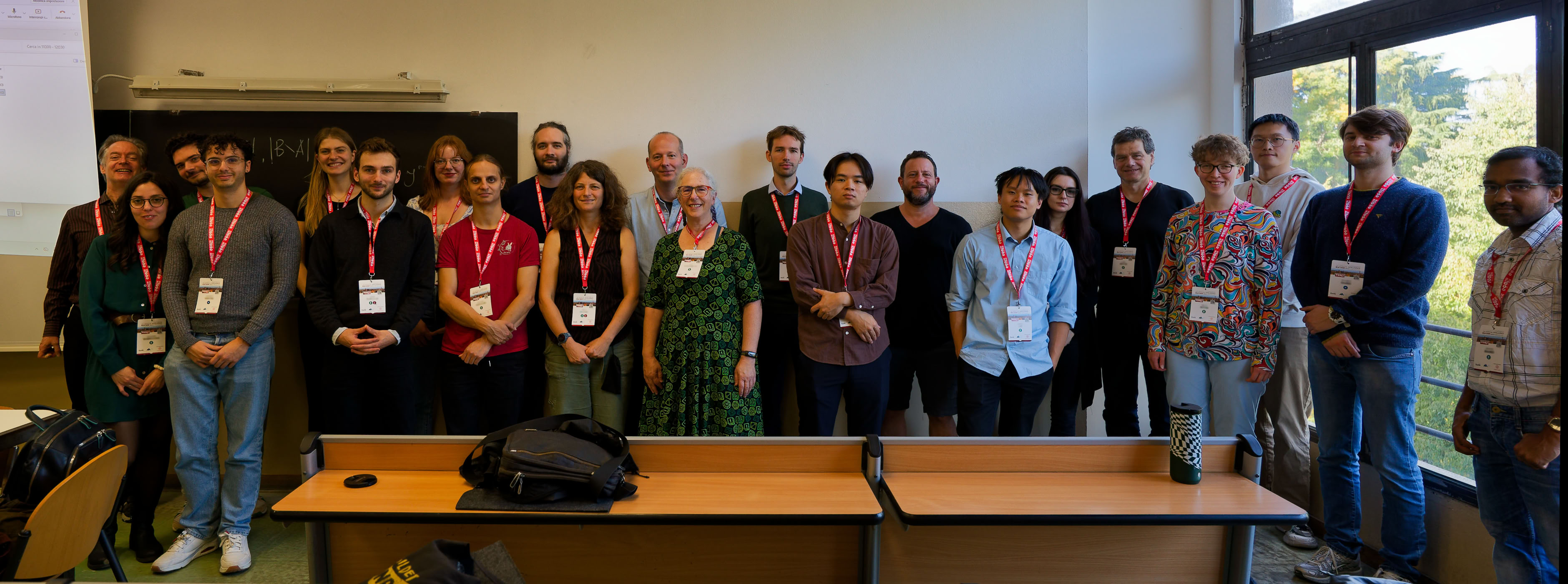
News: workshop was a great success !
ILLC, University of Amsterdam

Northwestern University

Welcome by Organizers (10 minutes)
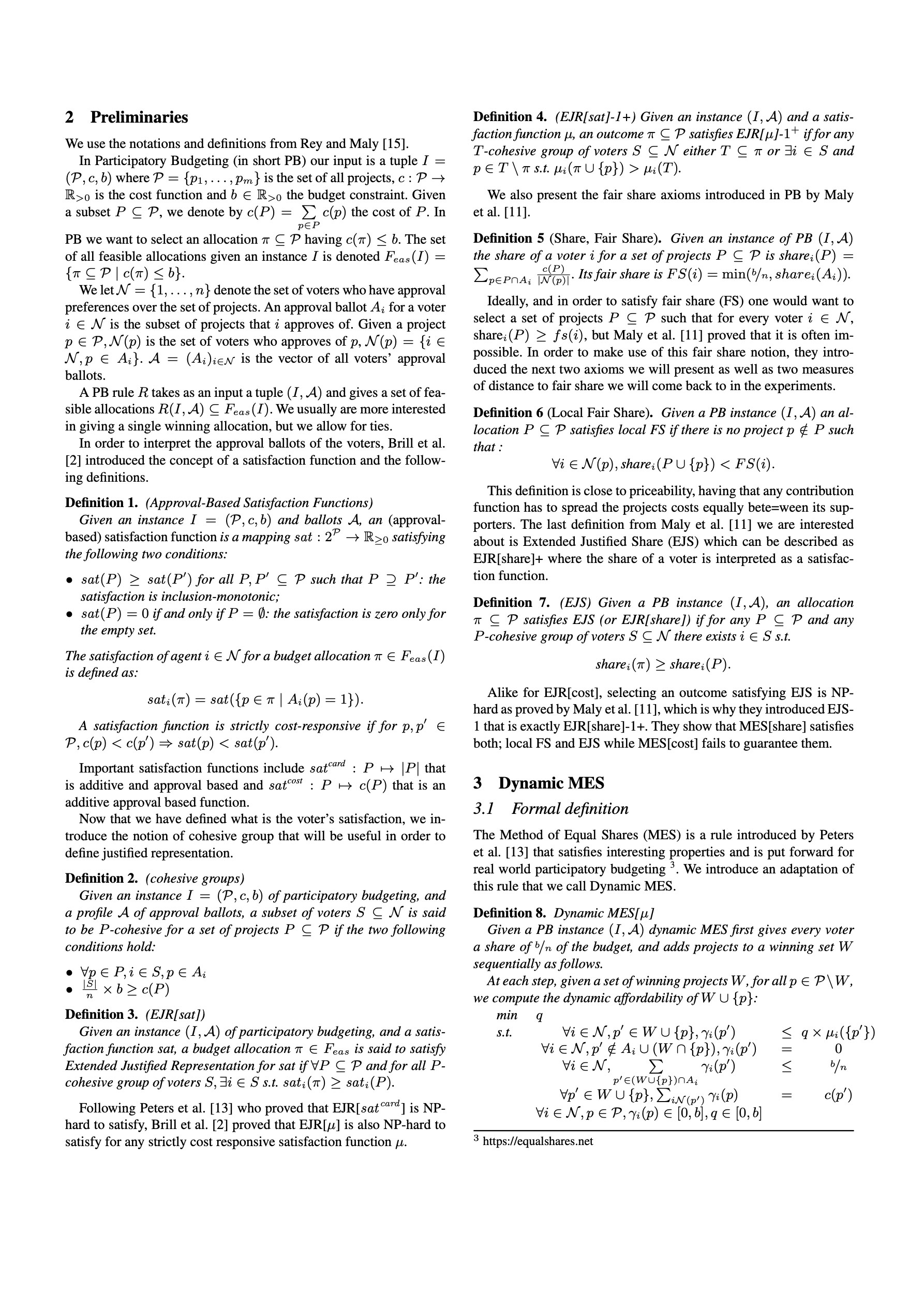
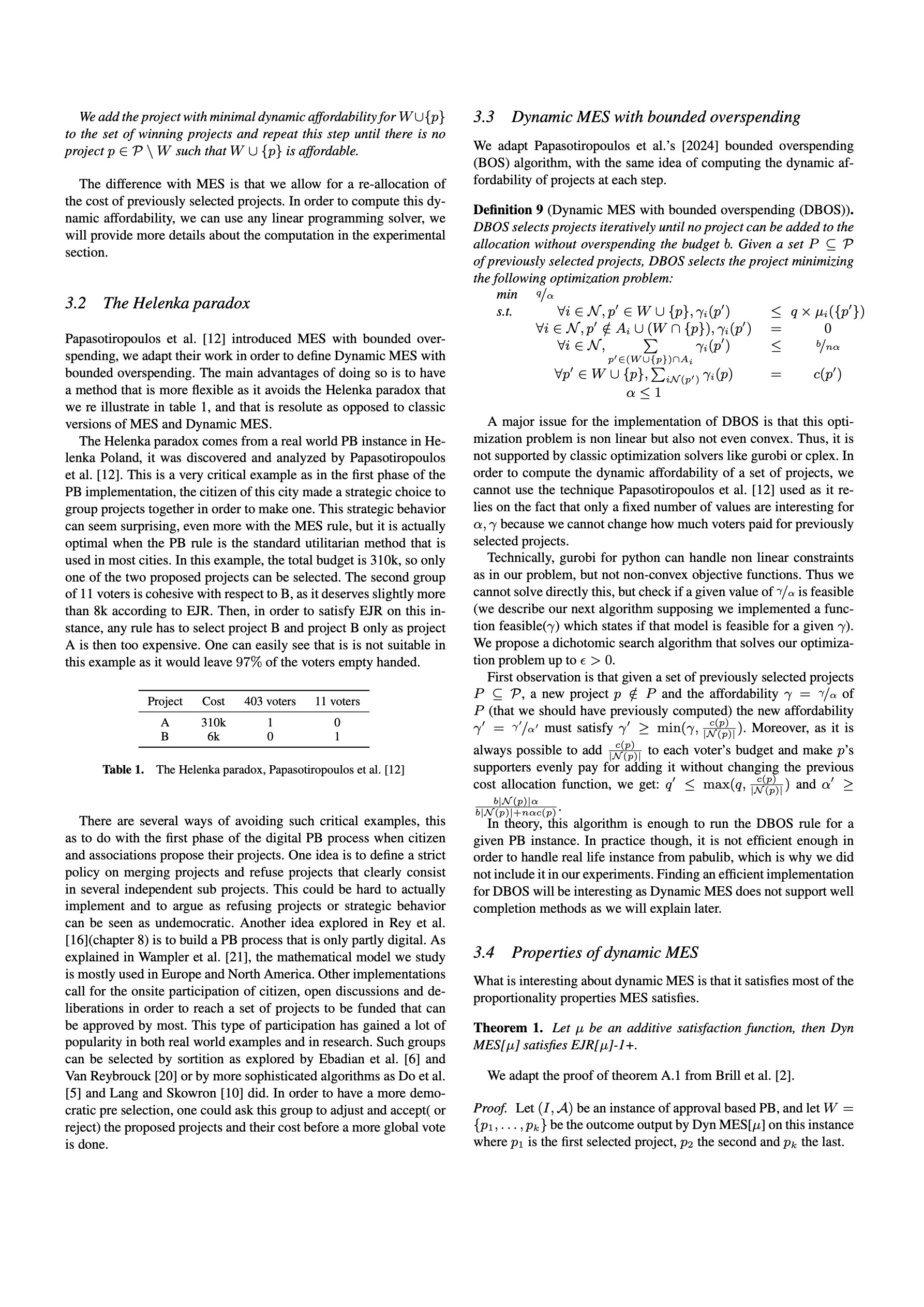
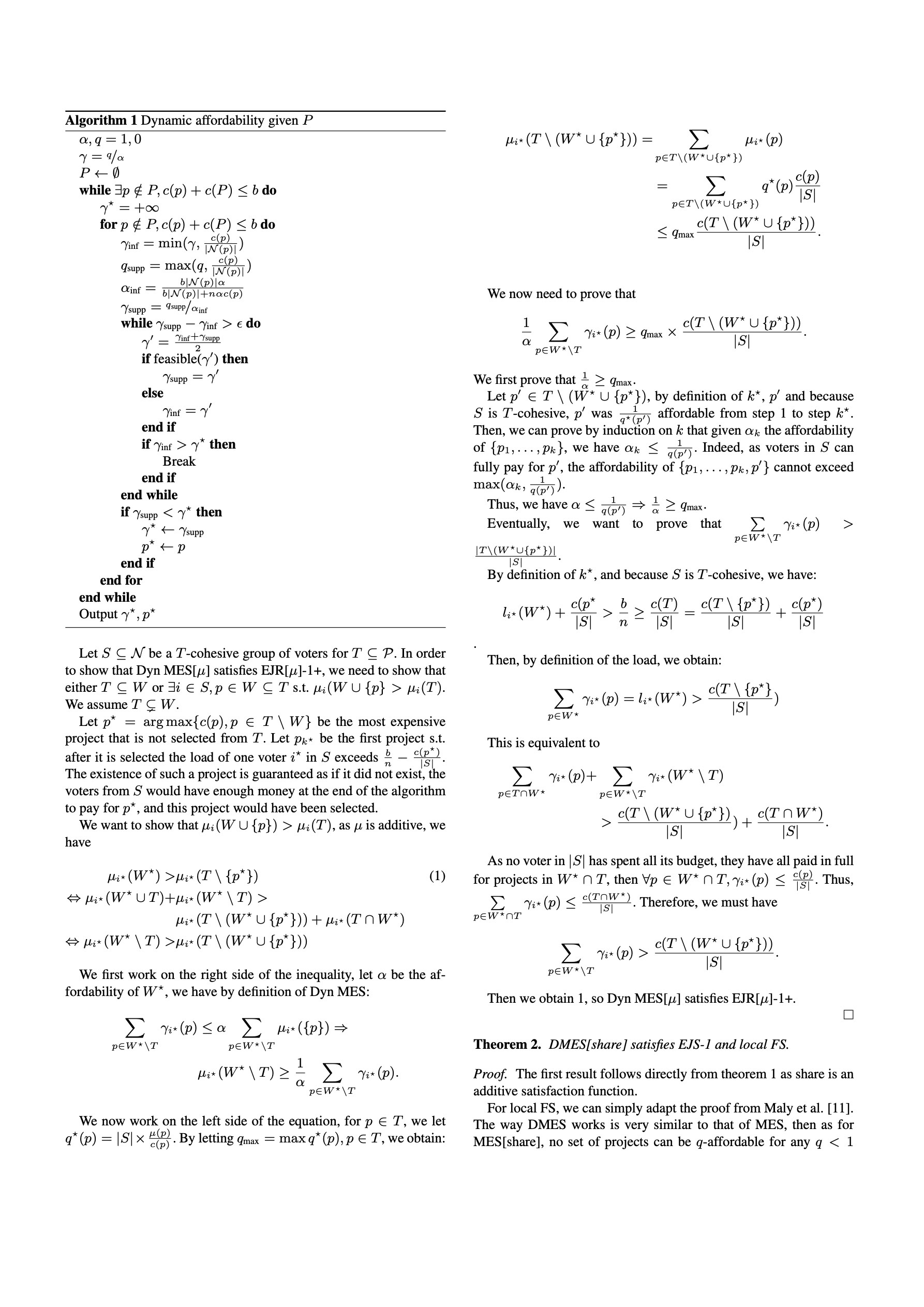
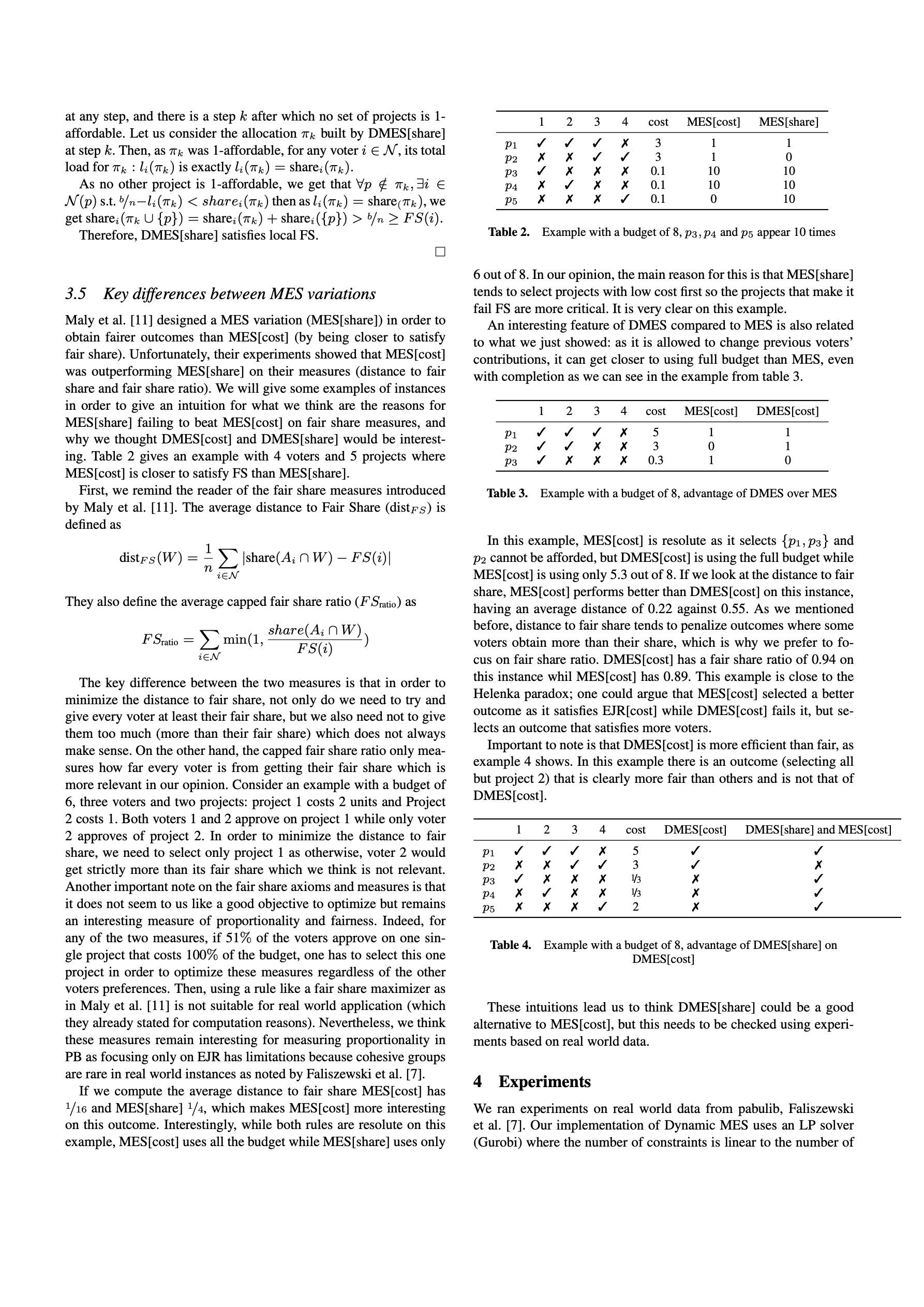
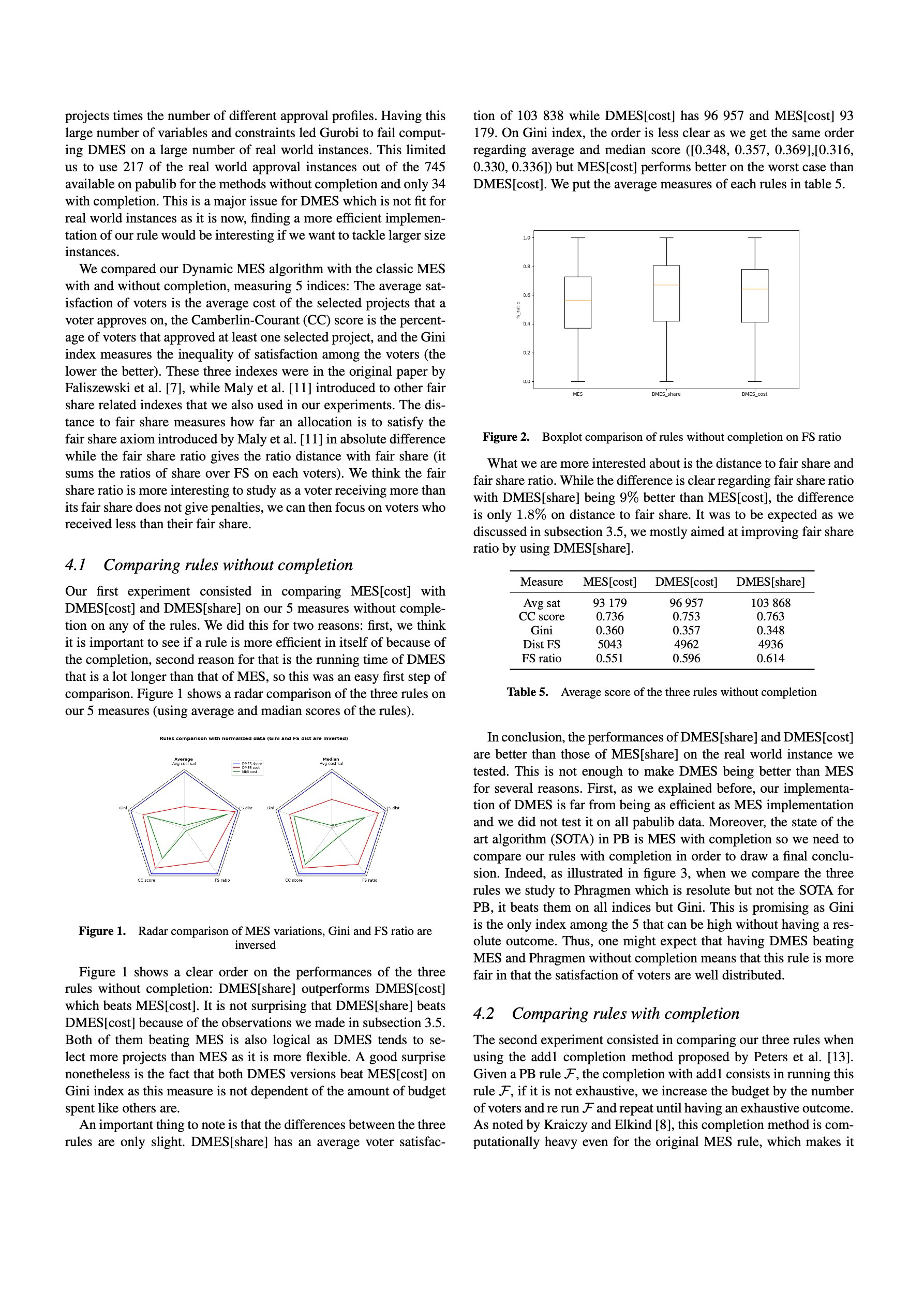
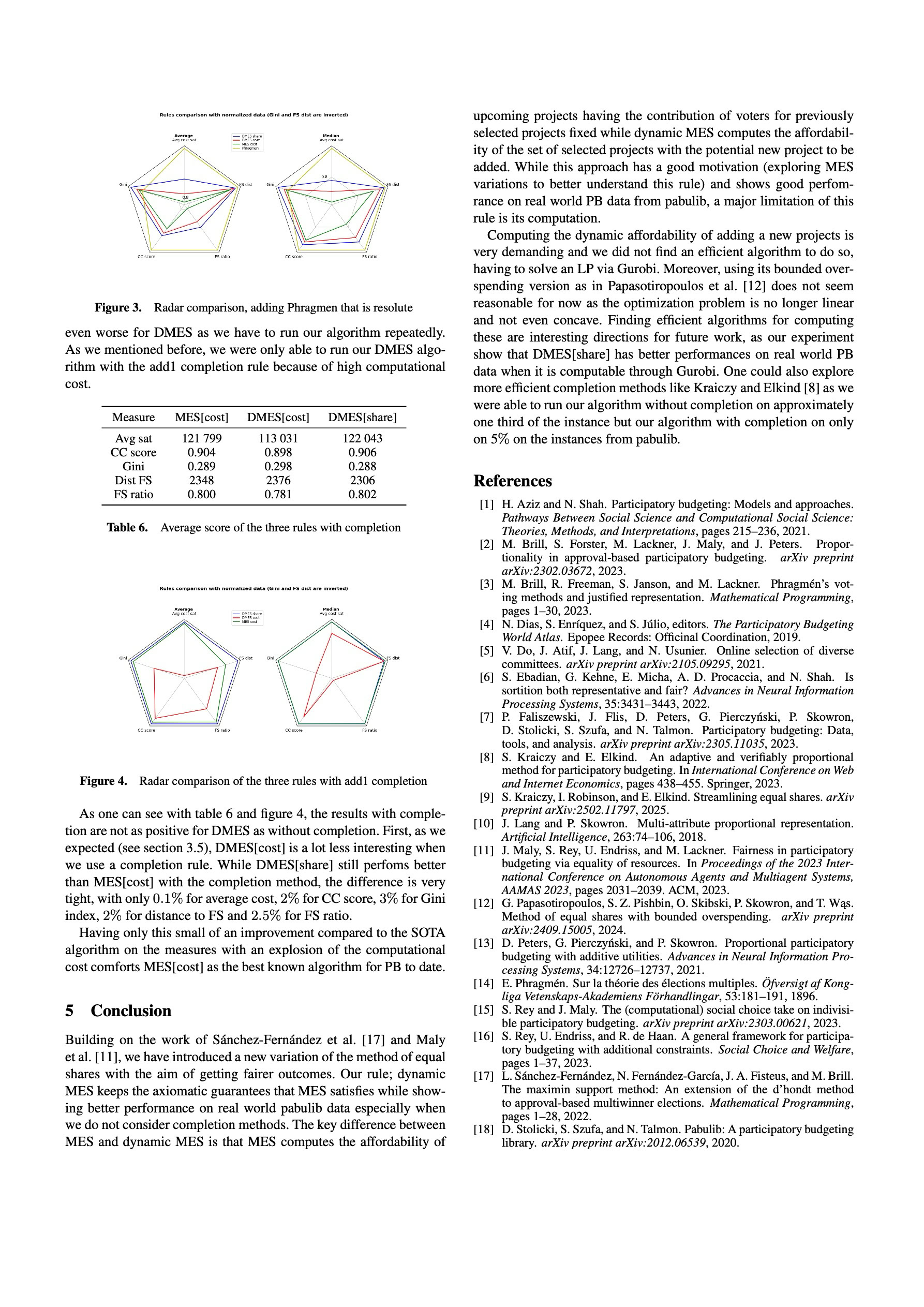
Regular Paper: Method of Equal Shares with Dynamic Affordability
Matthieu Hervouin
20 minutes
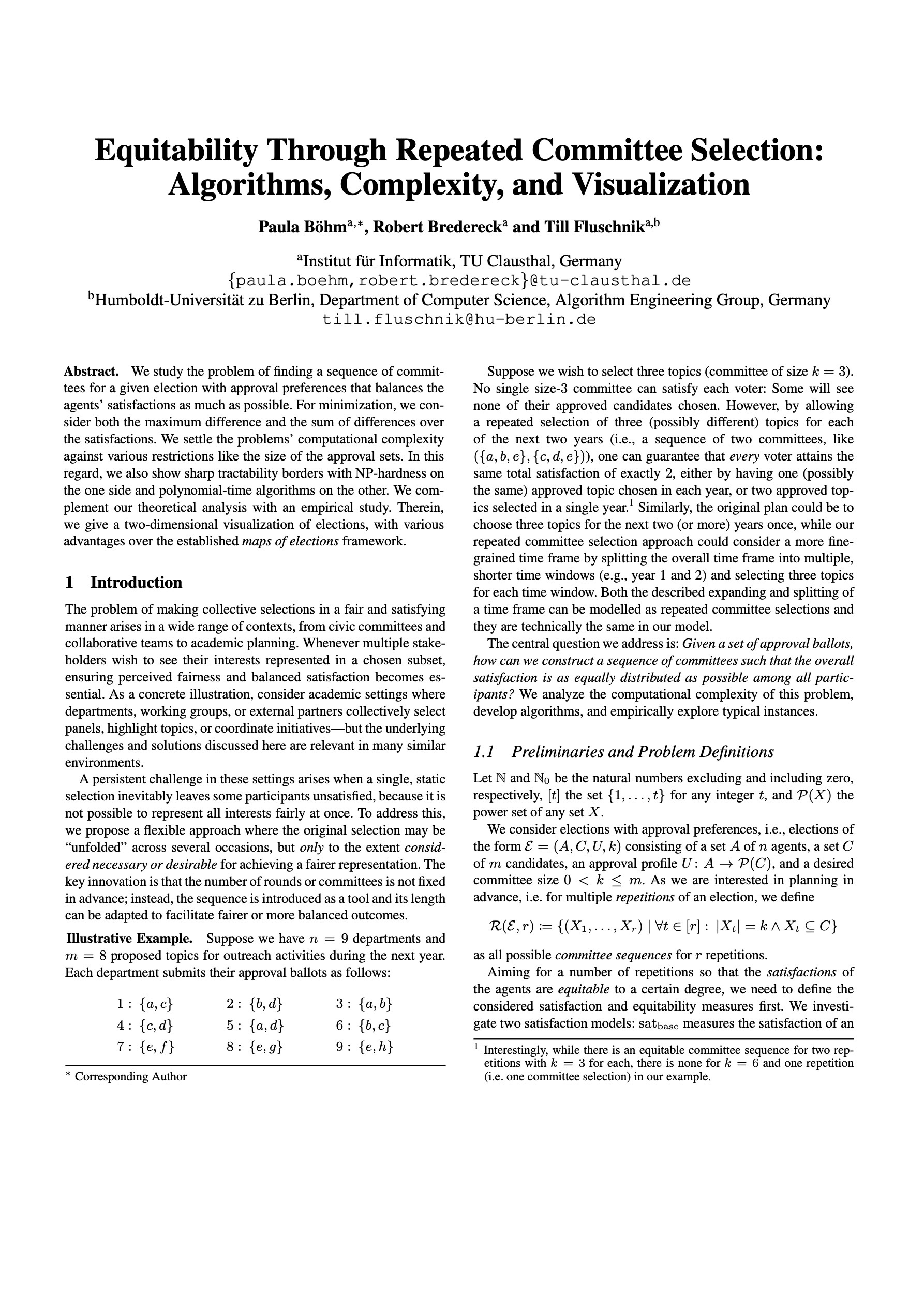
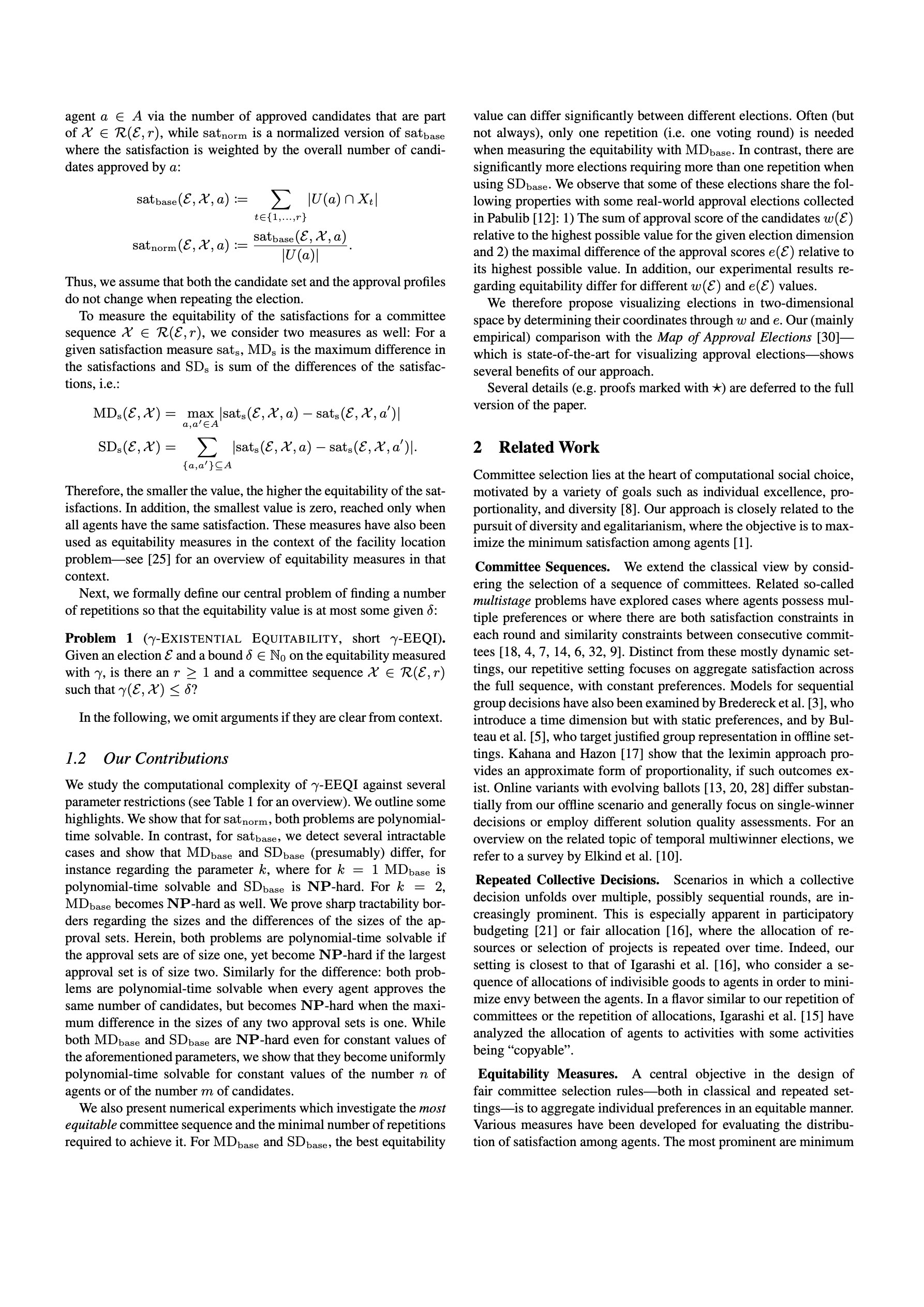
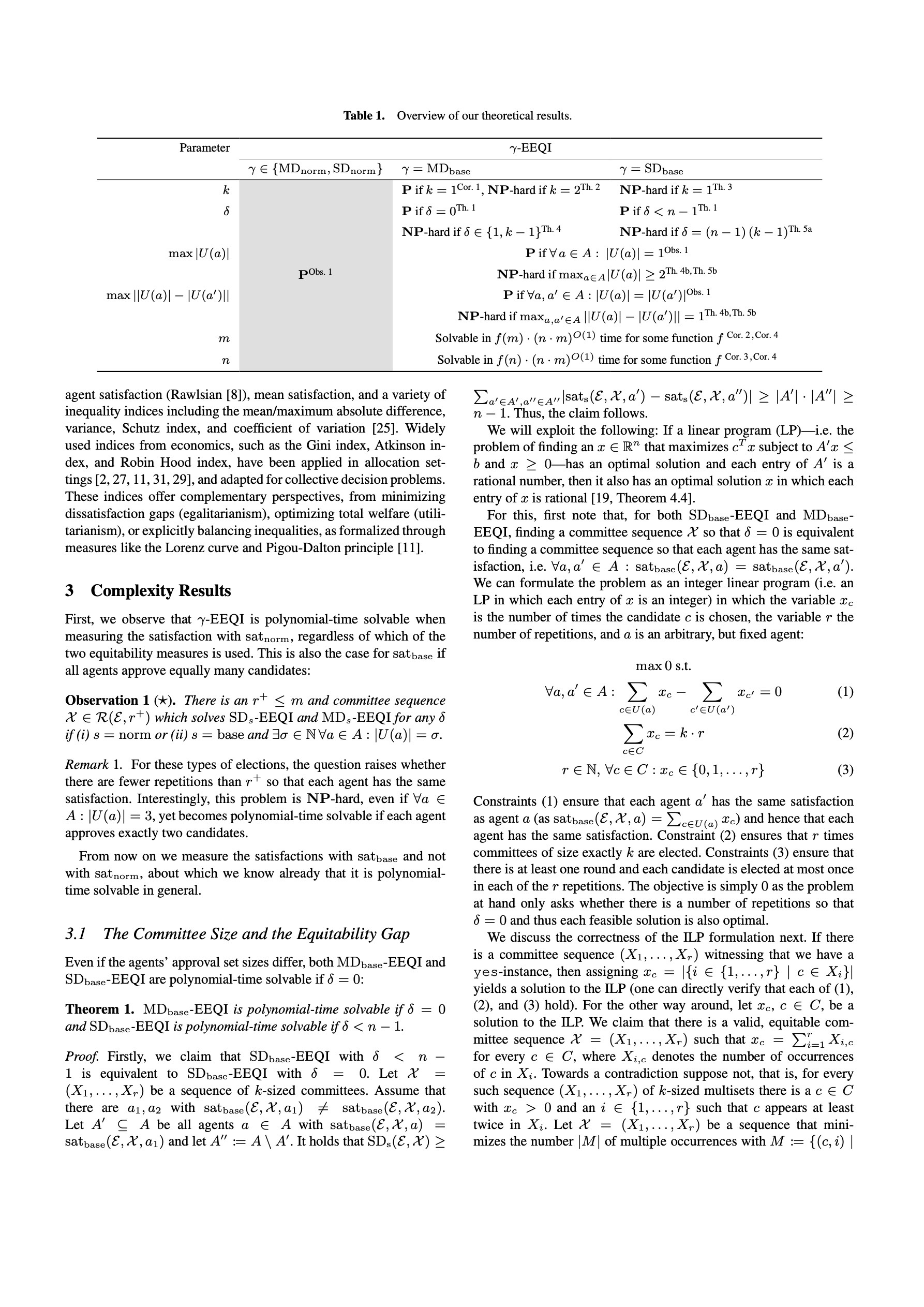
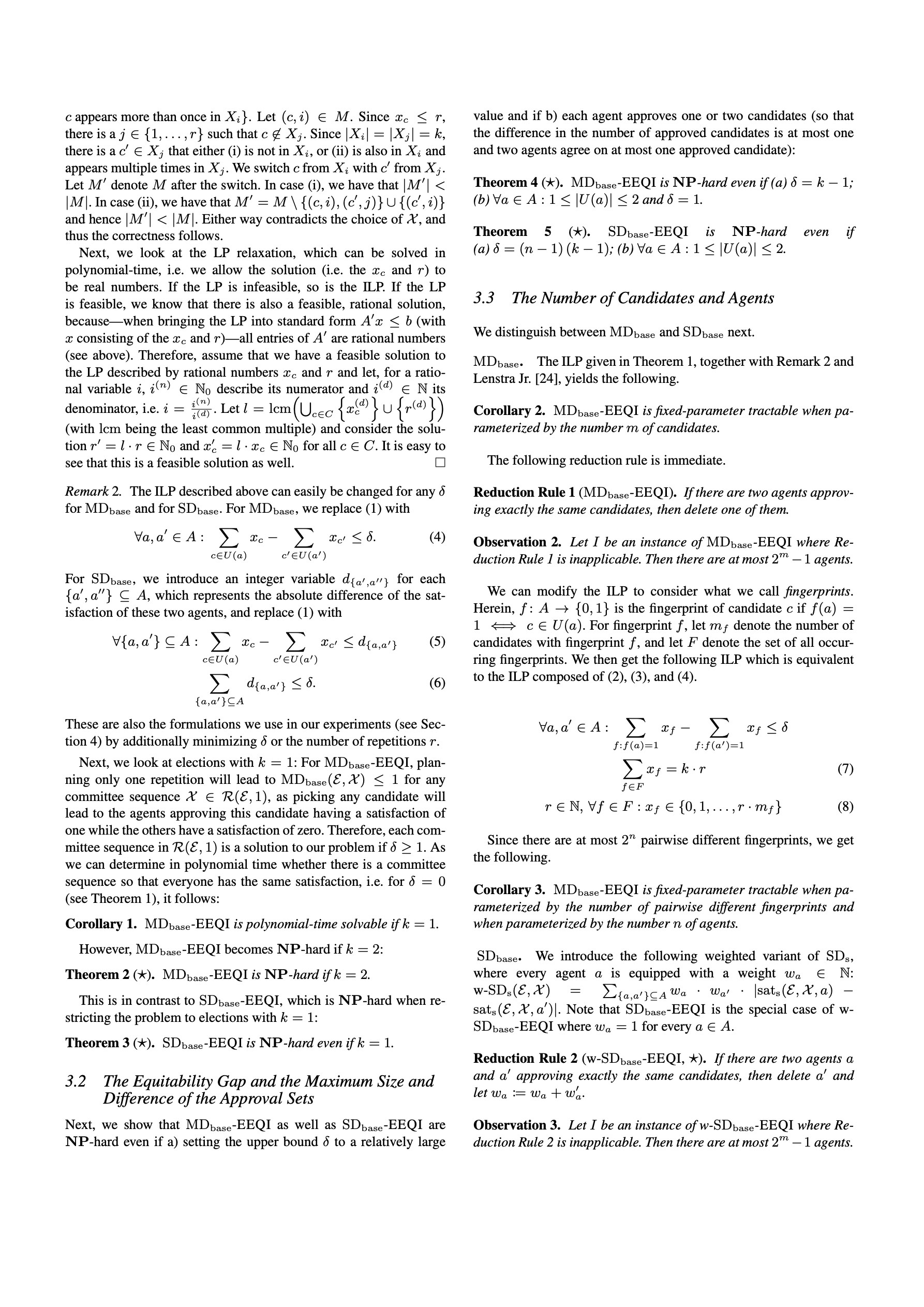
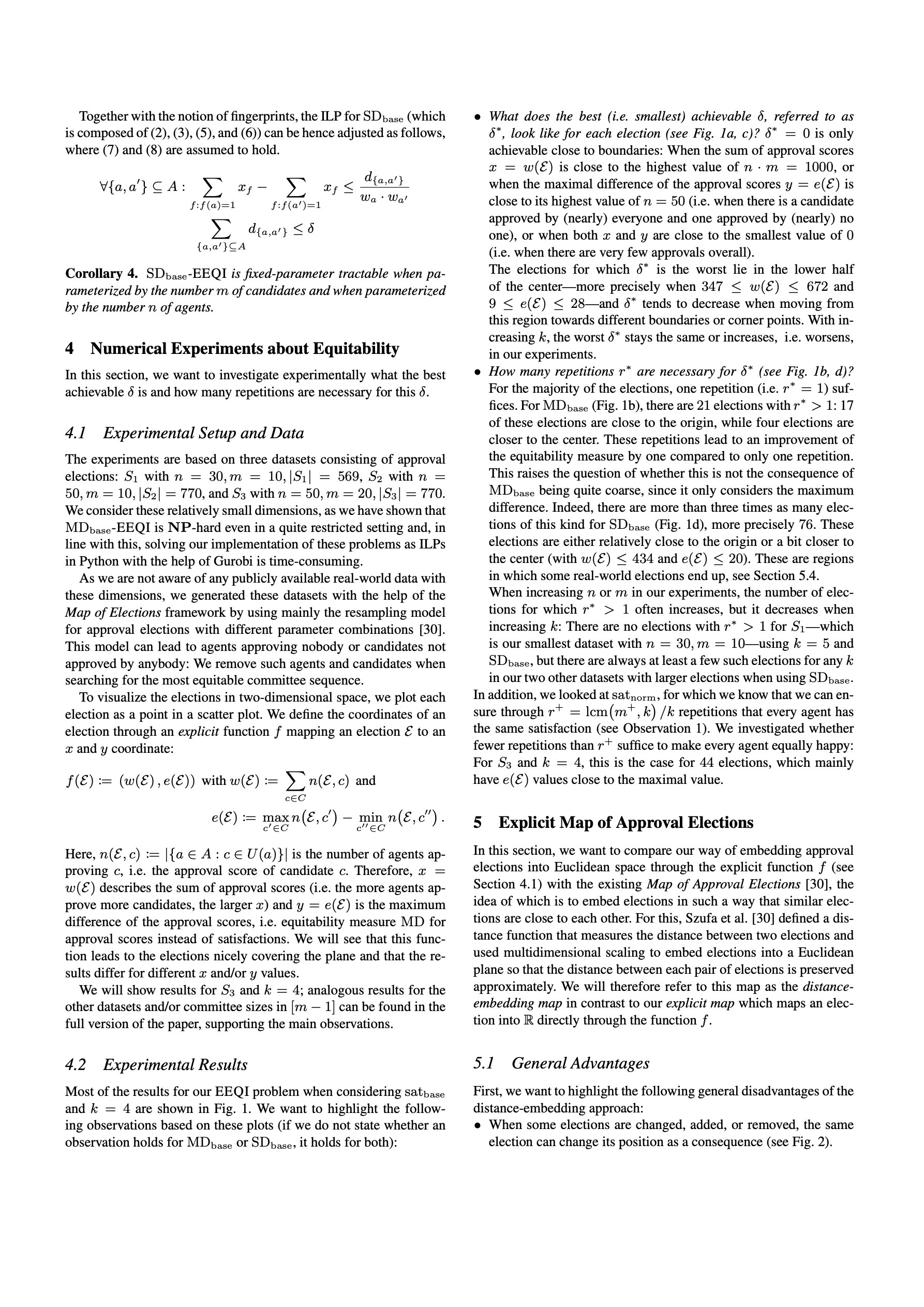
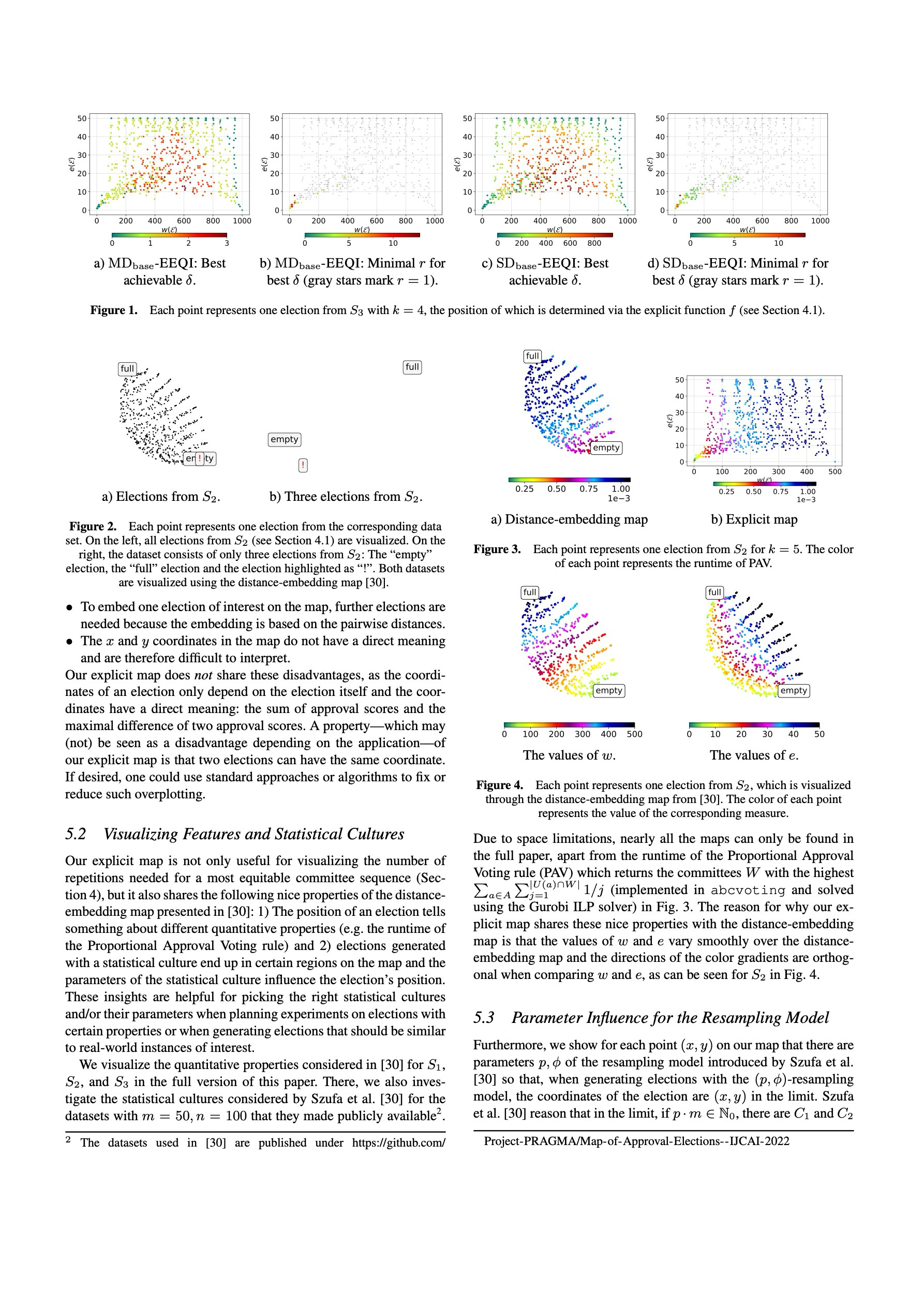
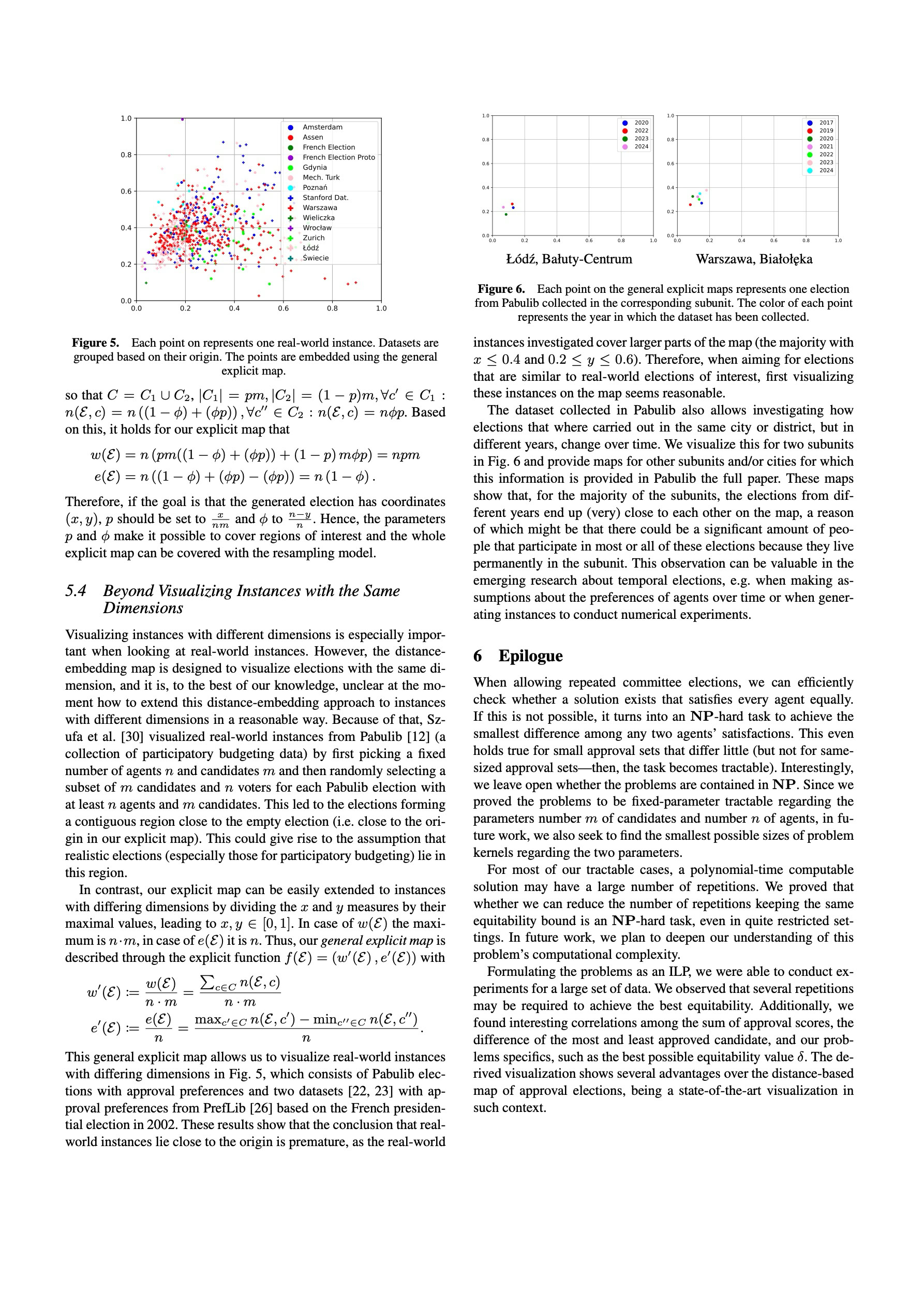
Regular Paper: Equitability Through Repeated Committee Selection: Algorithms, Complexity, and Visualization
Paula Böhm, Robert Bredereck, and Till Fluschnik
20 minutes
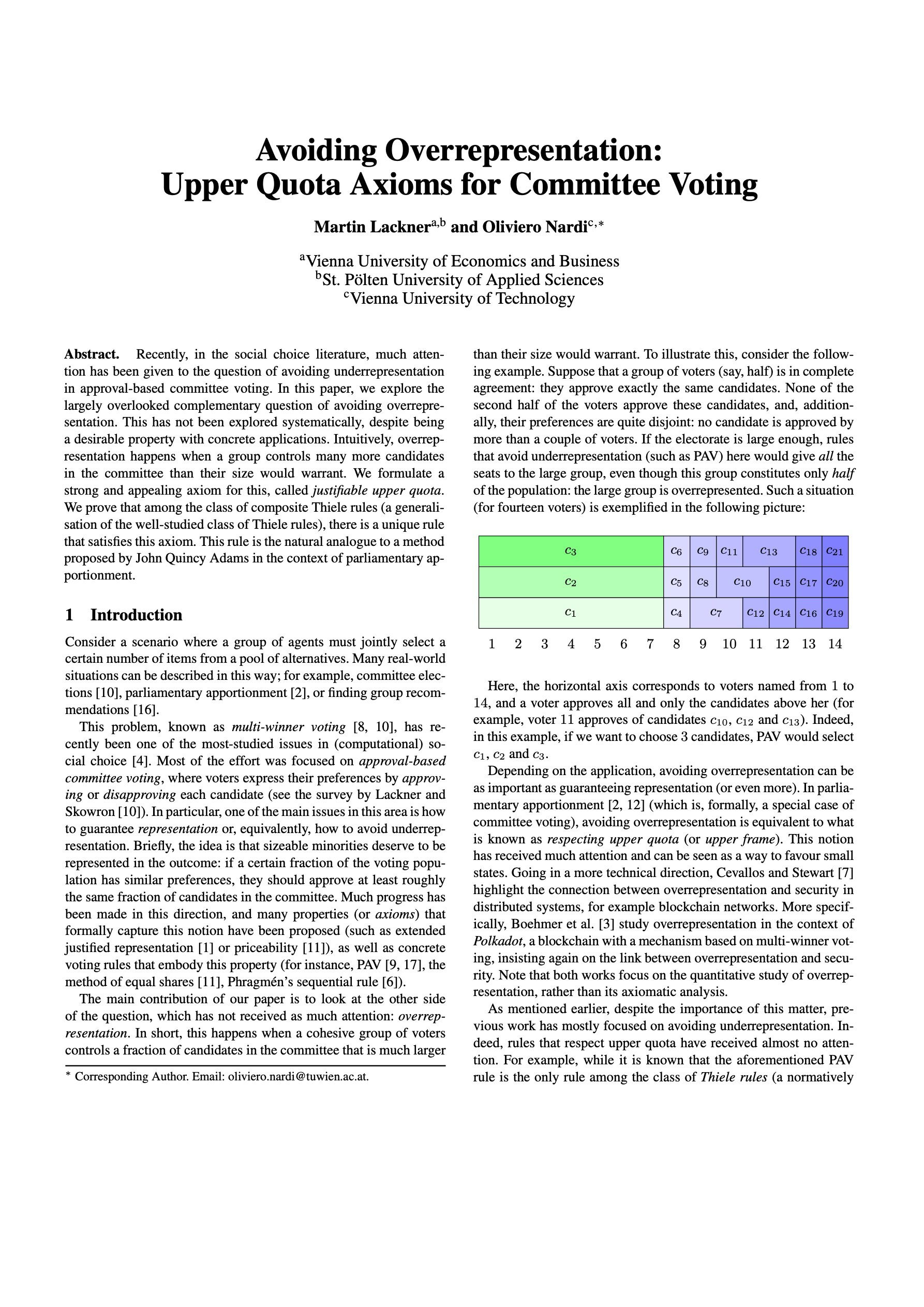
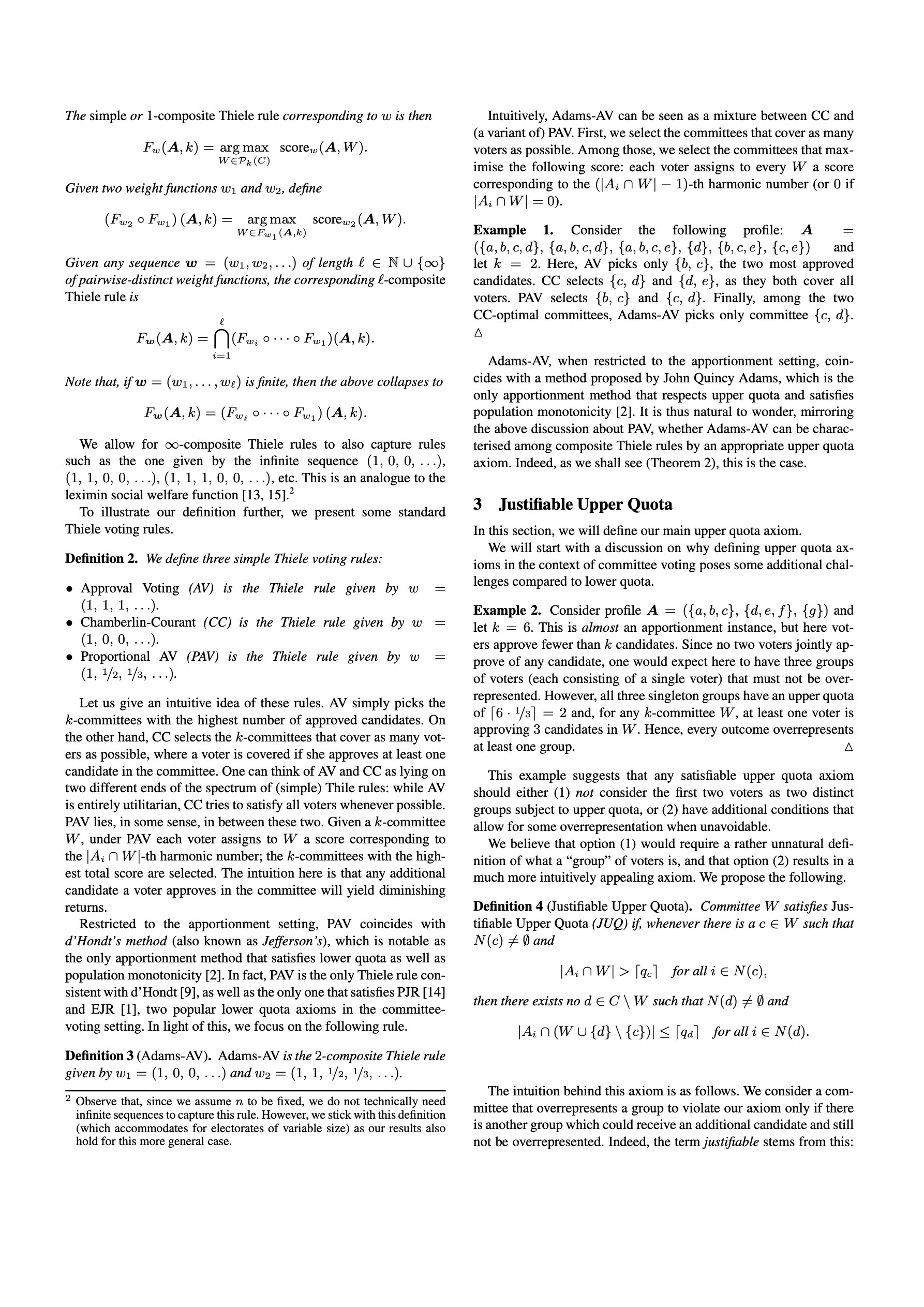
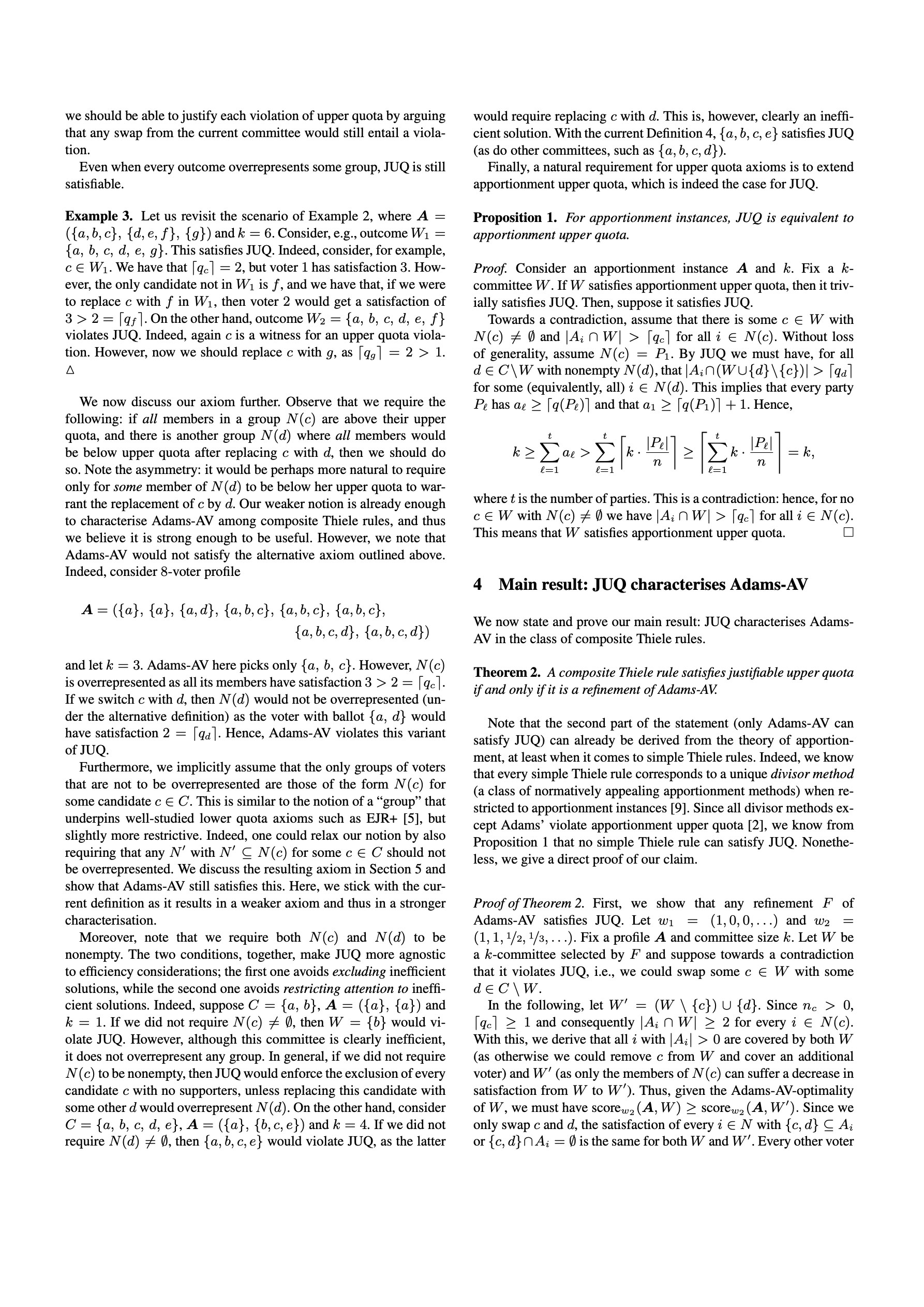
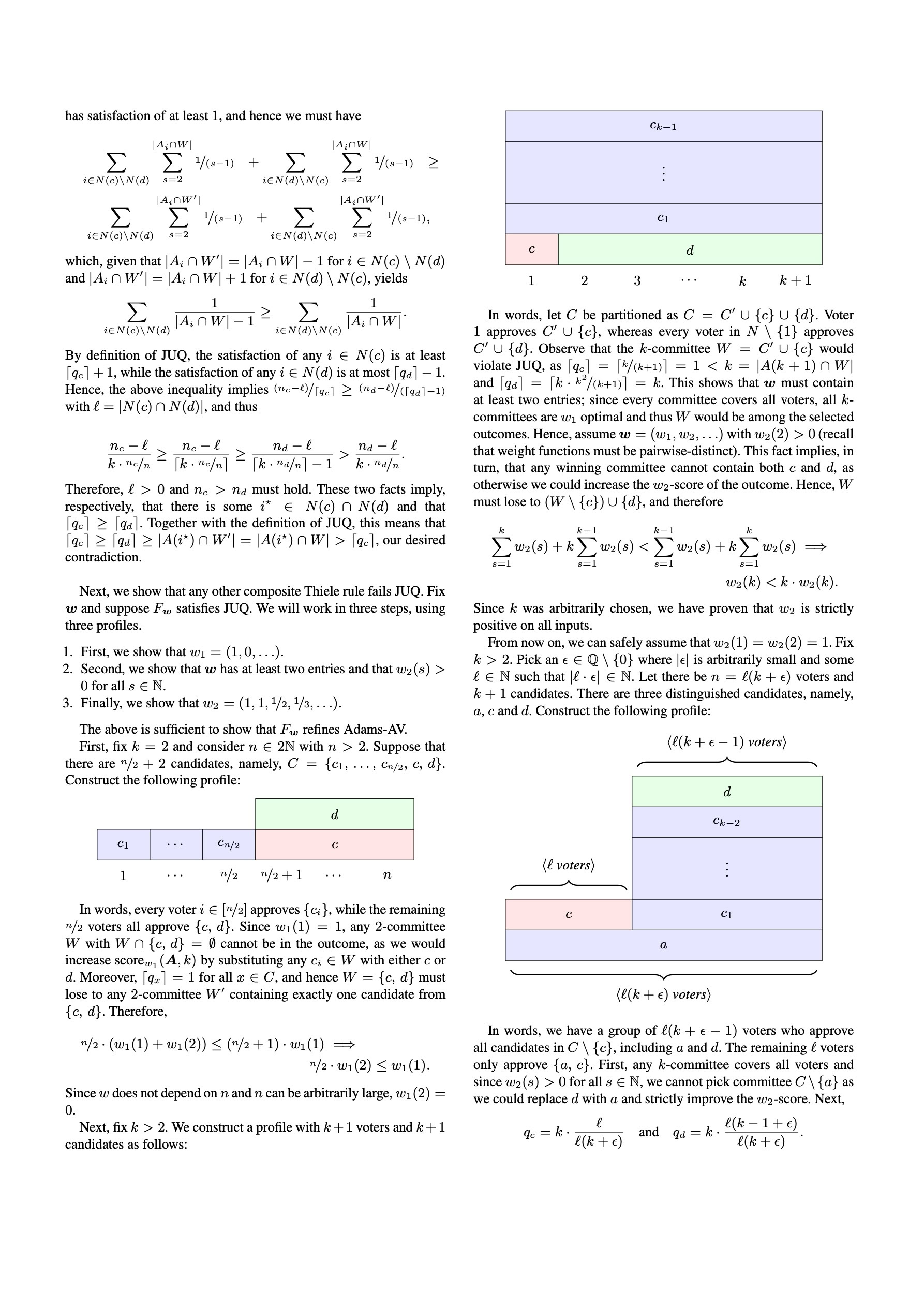
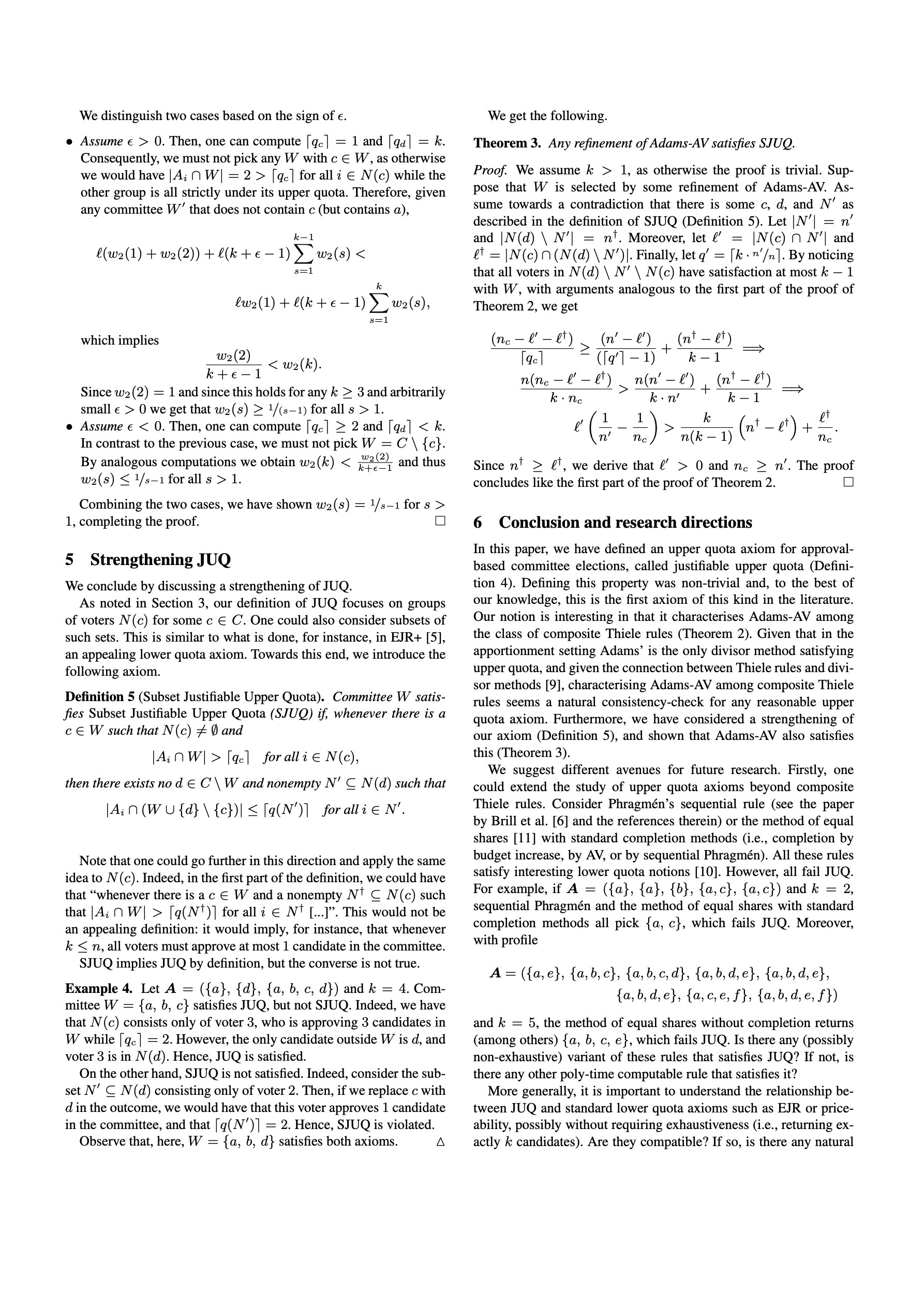
Regular Paper: Avoiding Overrepresentation: Upper Quota Axioms for Committee Voting
Martin Lackner, Oliviero Nardi
20 minutes
Regular Paper: An Enriched Model of Strategic Voting under Uncertainty
Henri Surugue, Sébastien Destercke
20 minutes
Invited Talk: Ulle Endriss
On the Nature of Axioms in Social Choice Theory
50 minutes
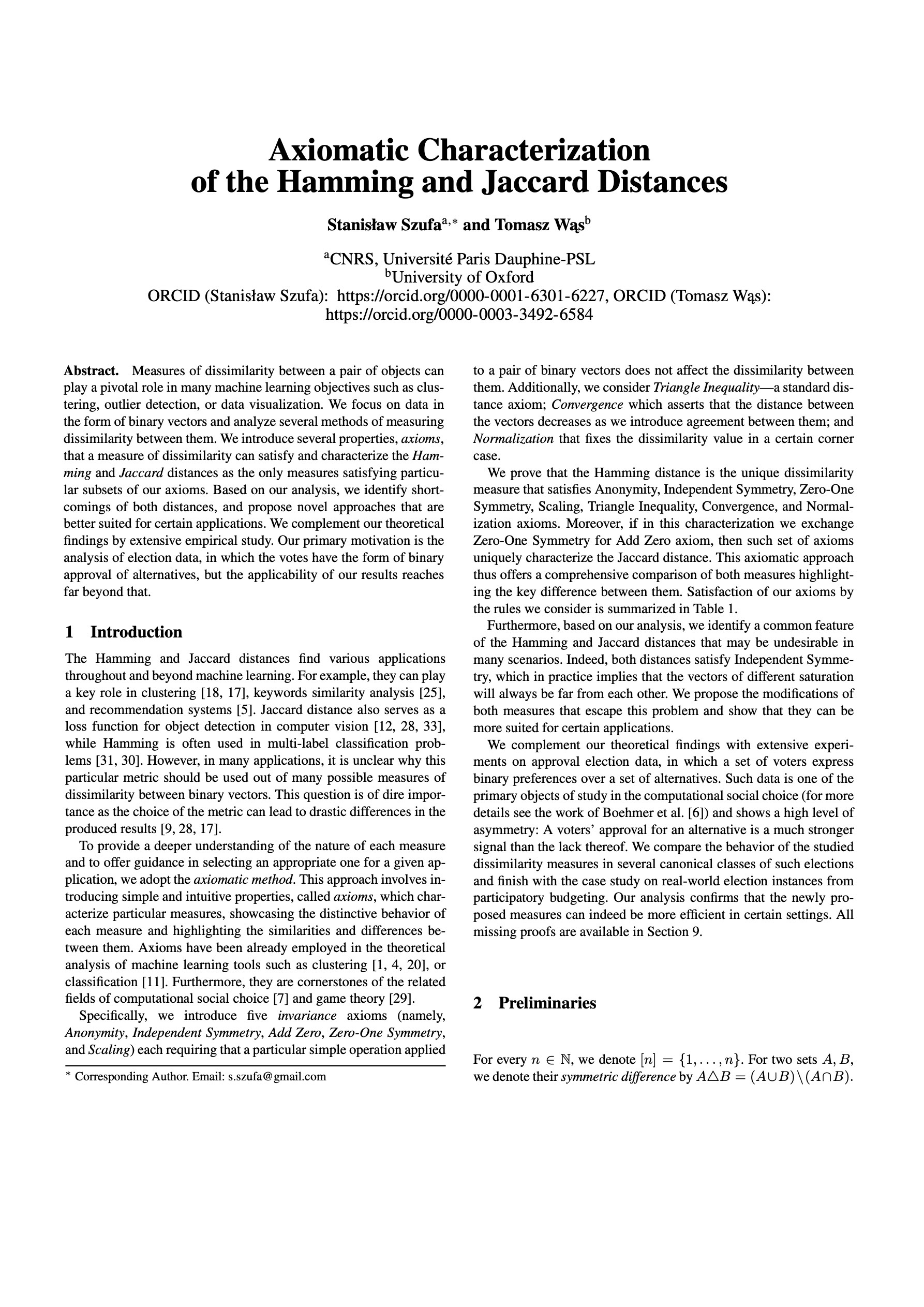
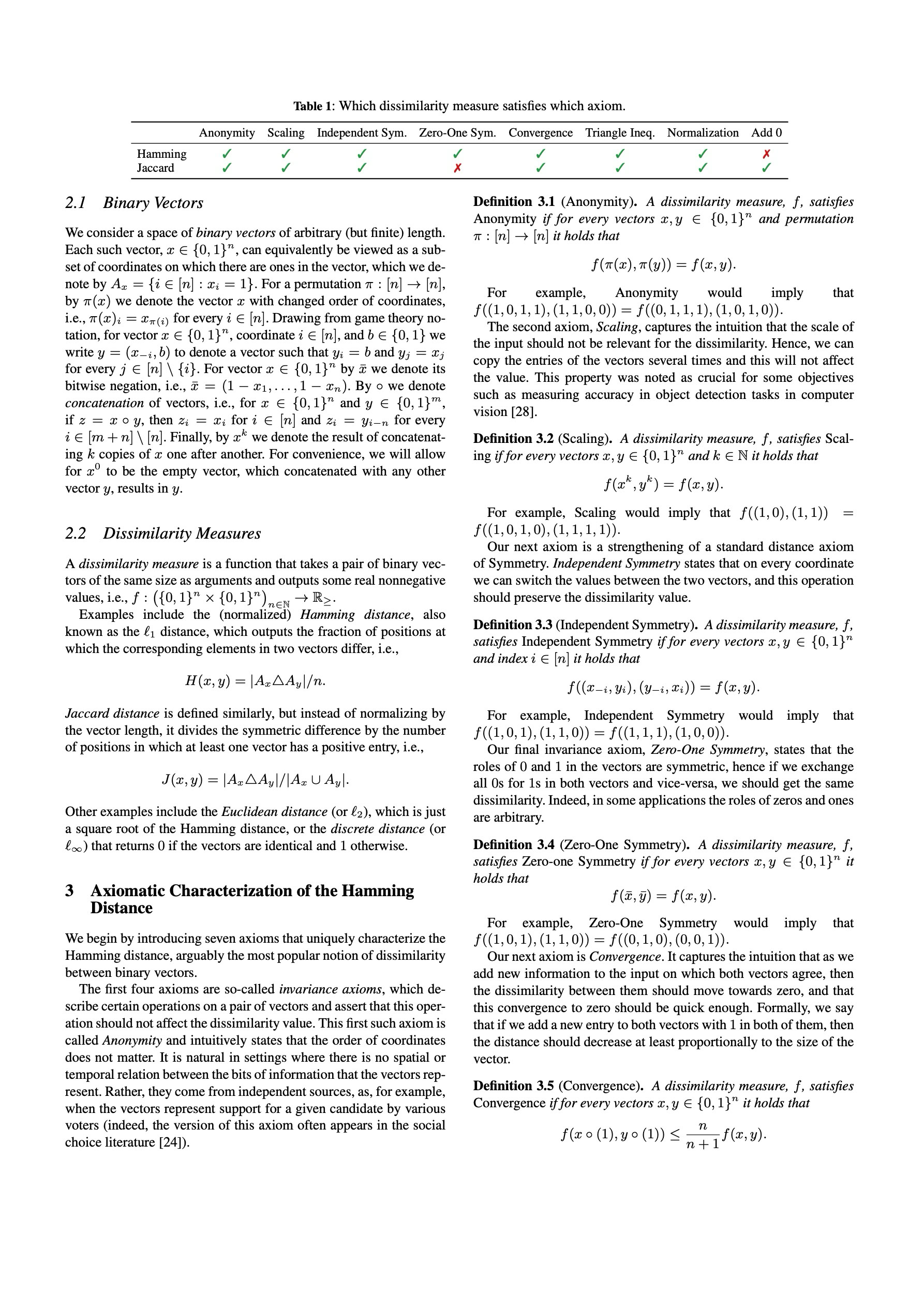
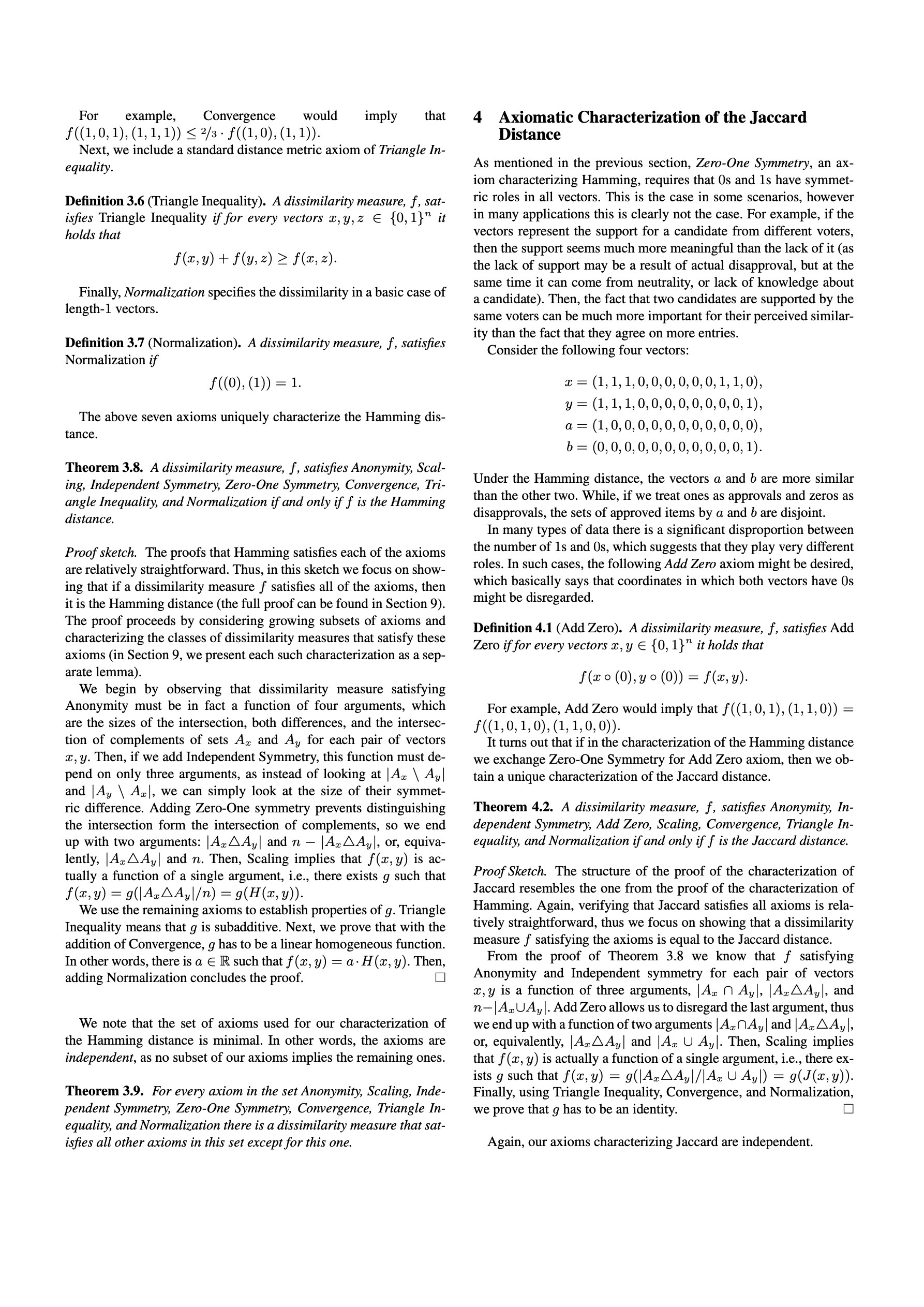
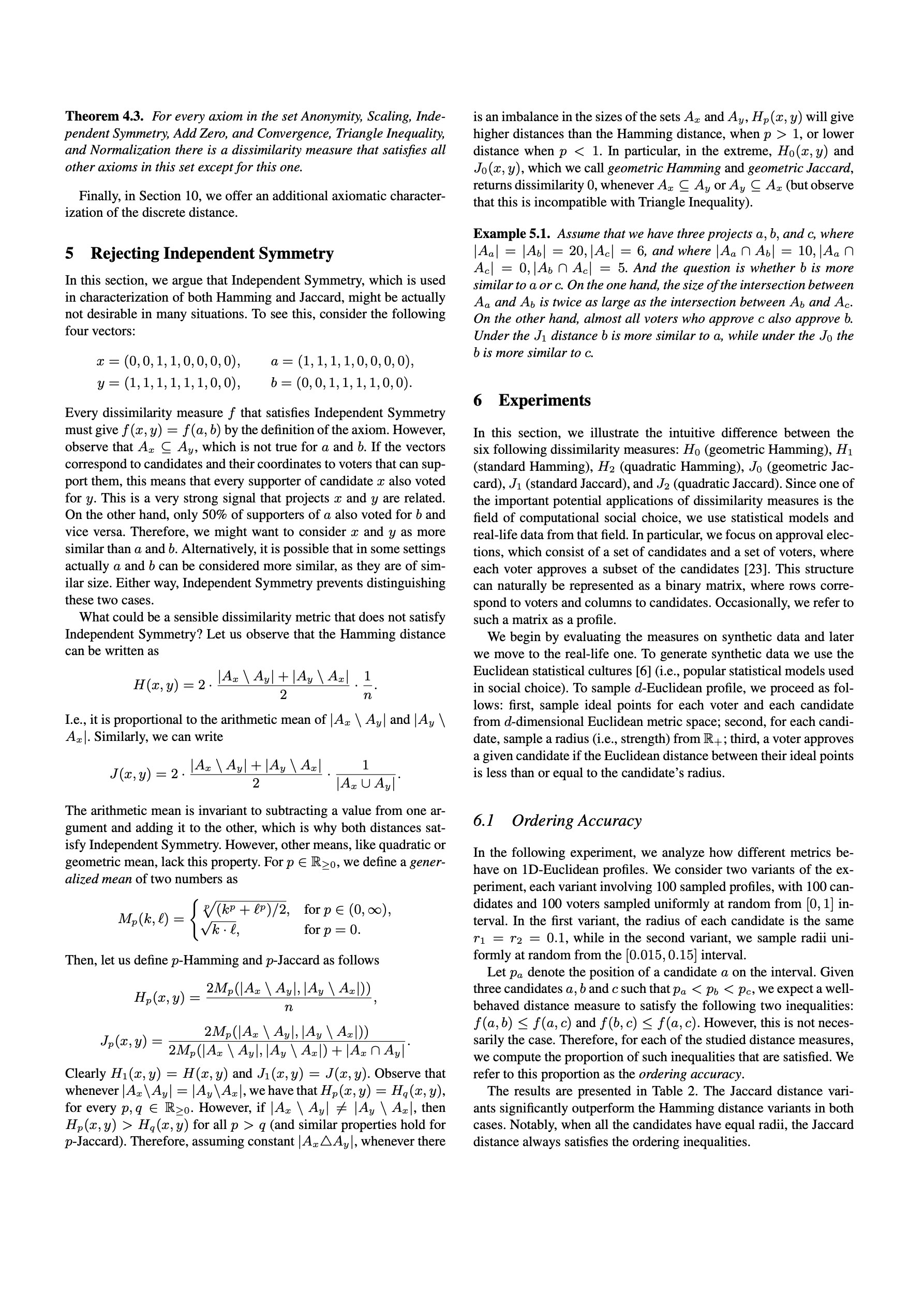
Regular Paper: Axiomatic Characterization of the Hamming and Jaccard Distances
Stanisław Szufa, Tomasz Wąs
20 minutes
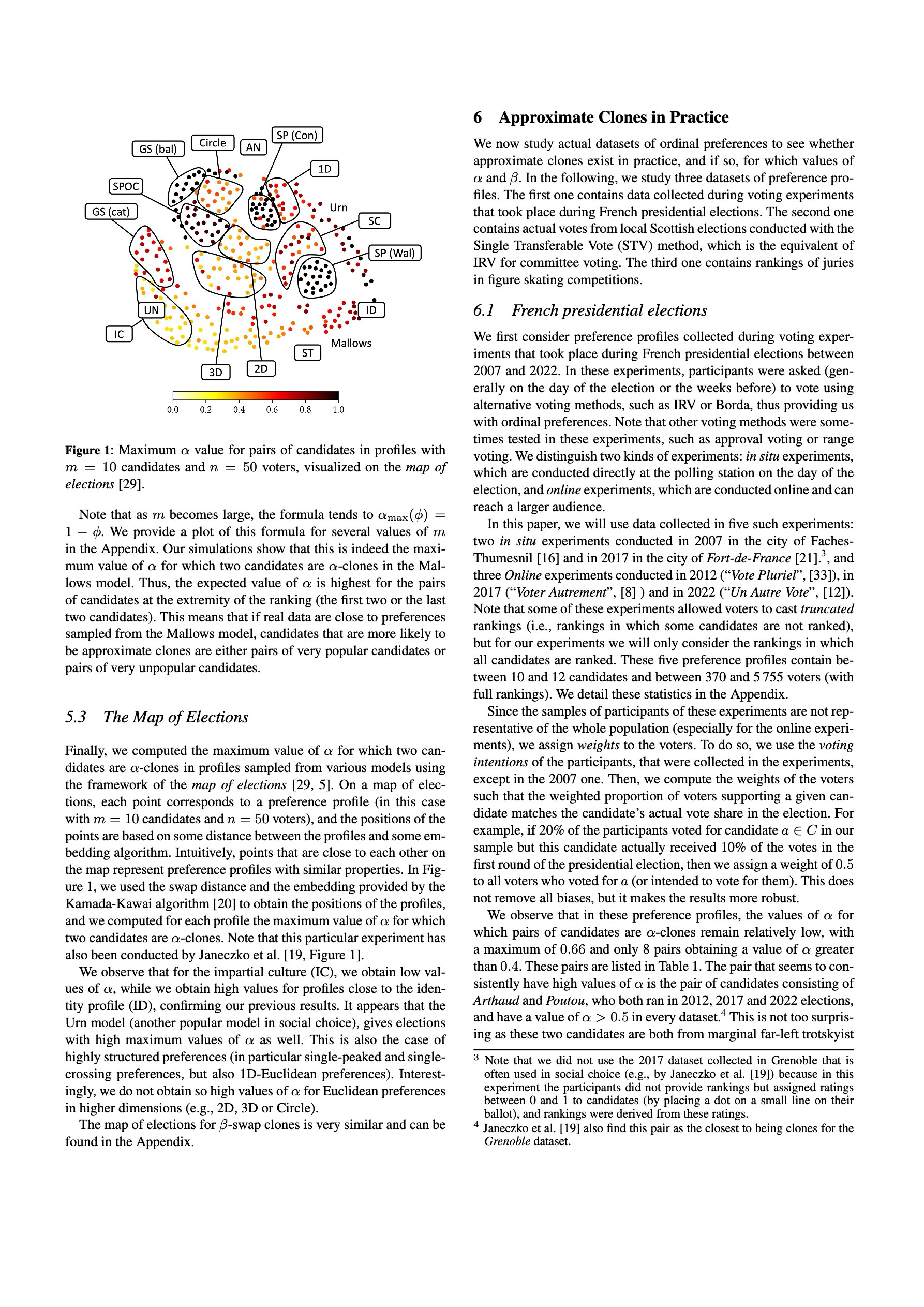
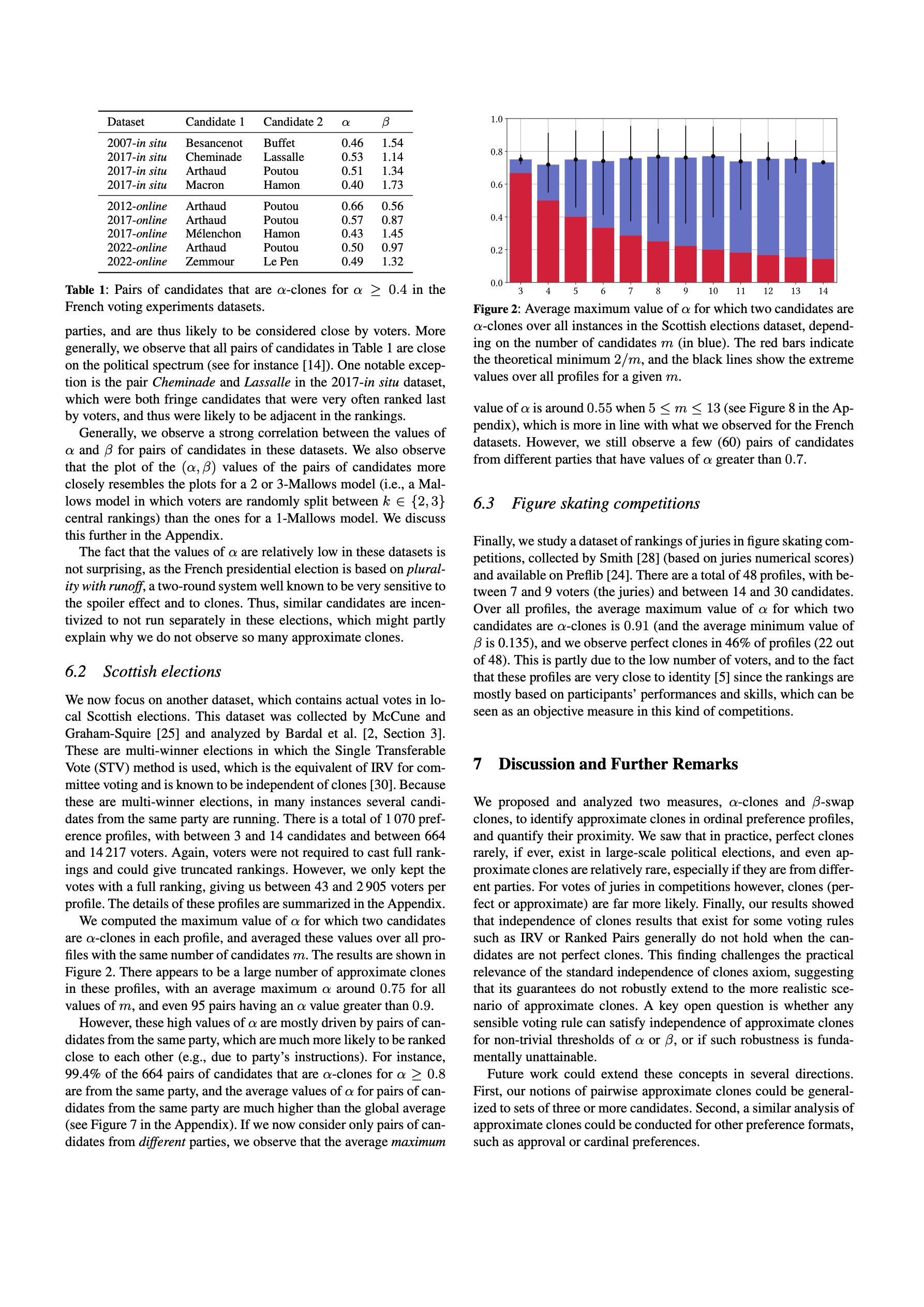
Regular Paper: Approximate Clones in Ordinal Preferences
Théo Delemazure
20 minutes
Invited Talk: Edith Elkind
Selecting Interlacing Committees
50 minutes
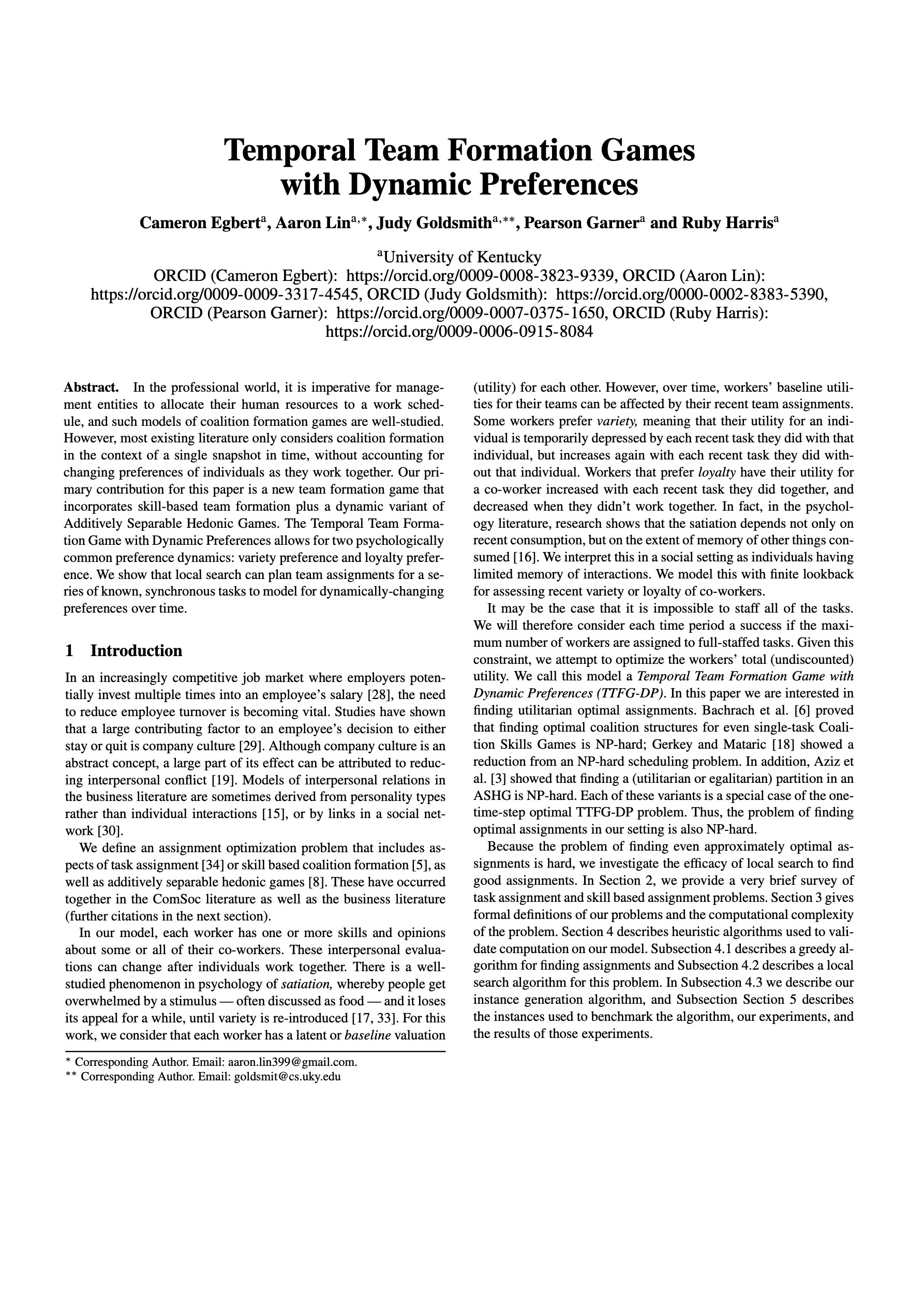
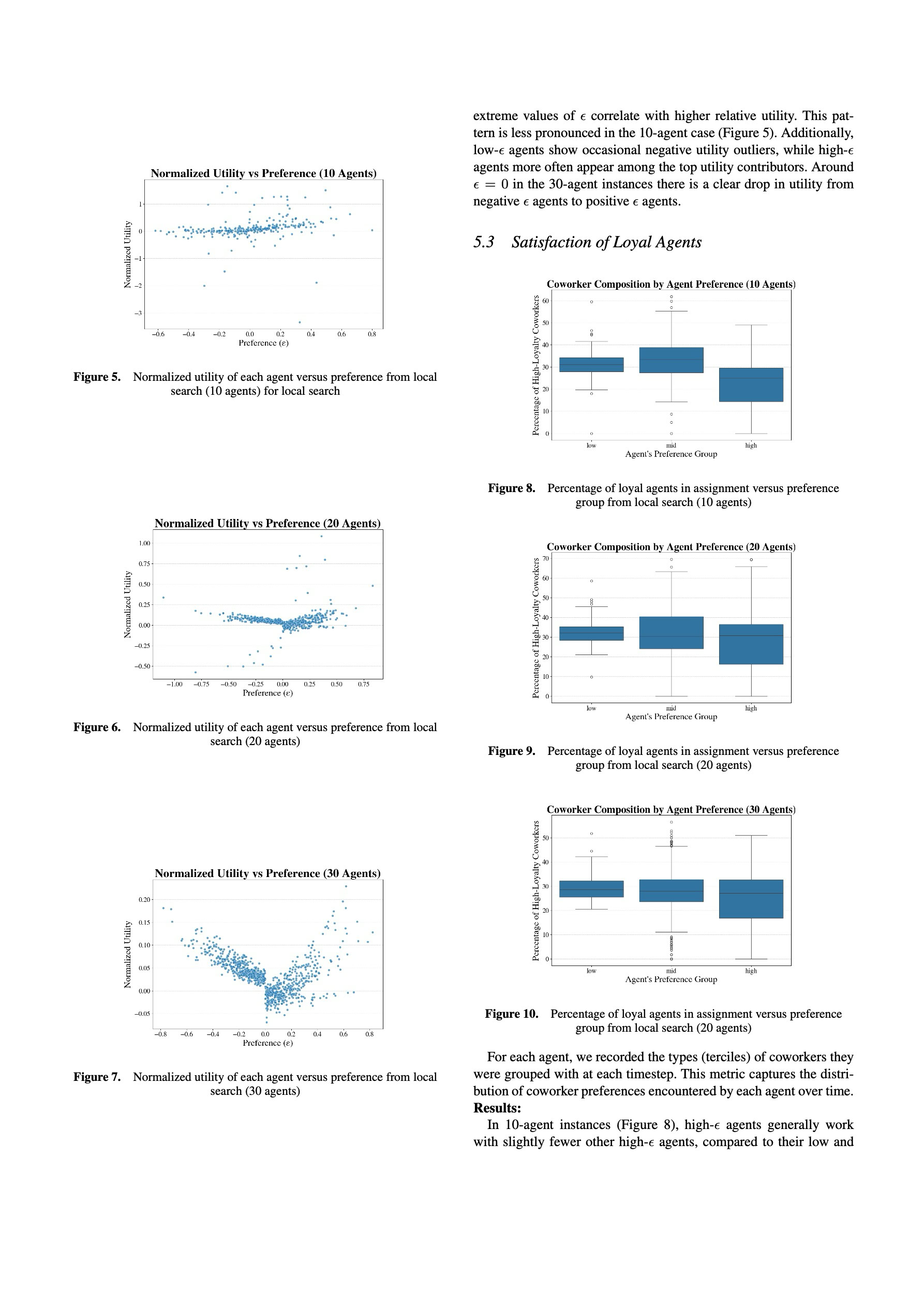
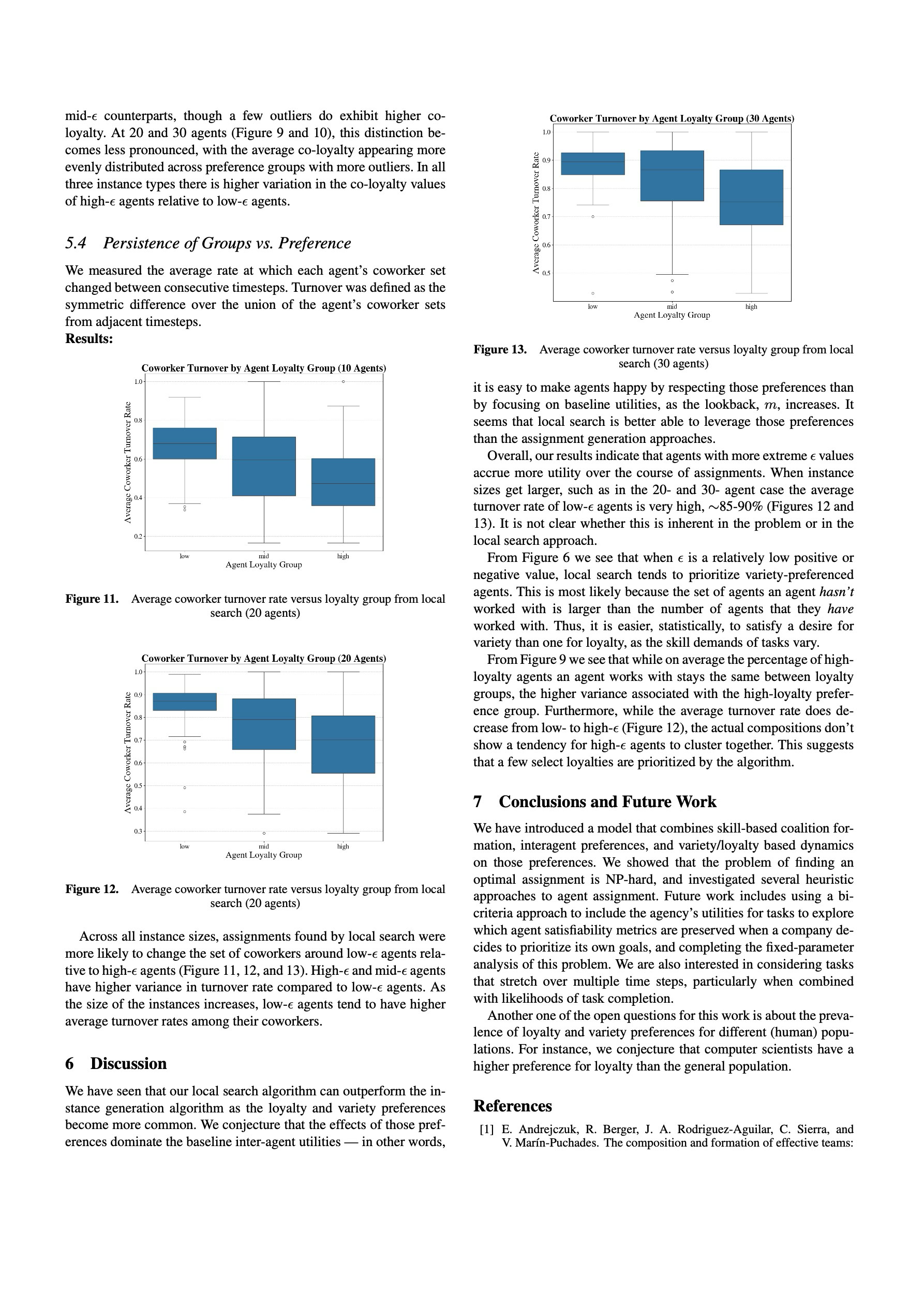
Regular Paper: Temporal Team Formation Games with Dynamic Preferences
Cameron Egbert, Aaron Lin, Judy Goldsmith, Pearson Garner, and Ruby Harris
20 minutes
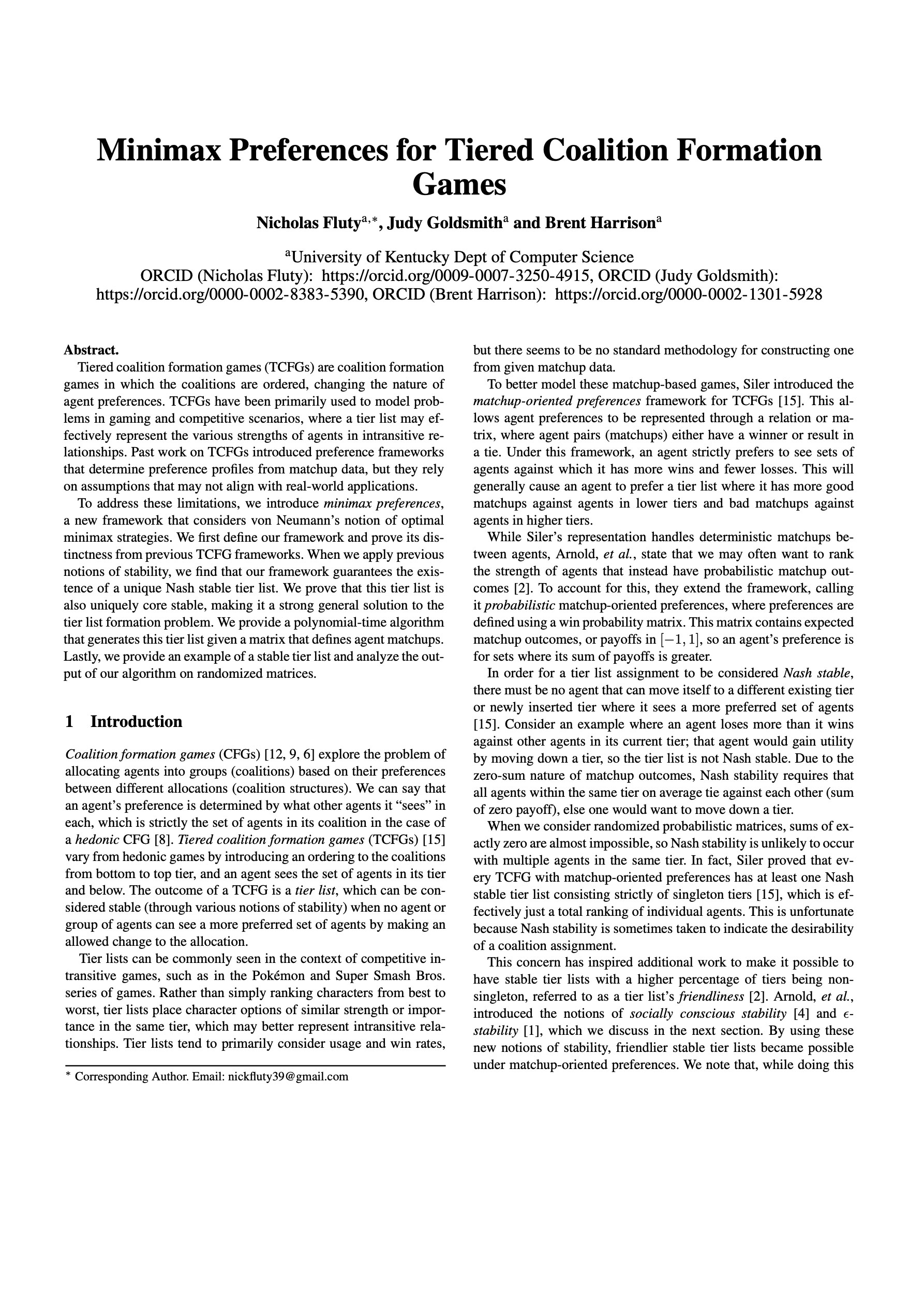
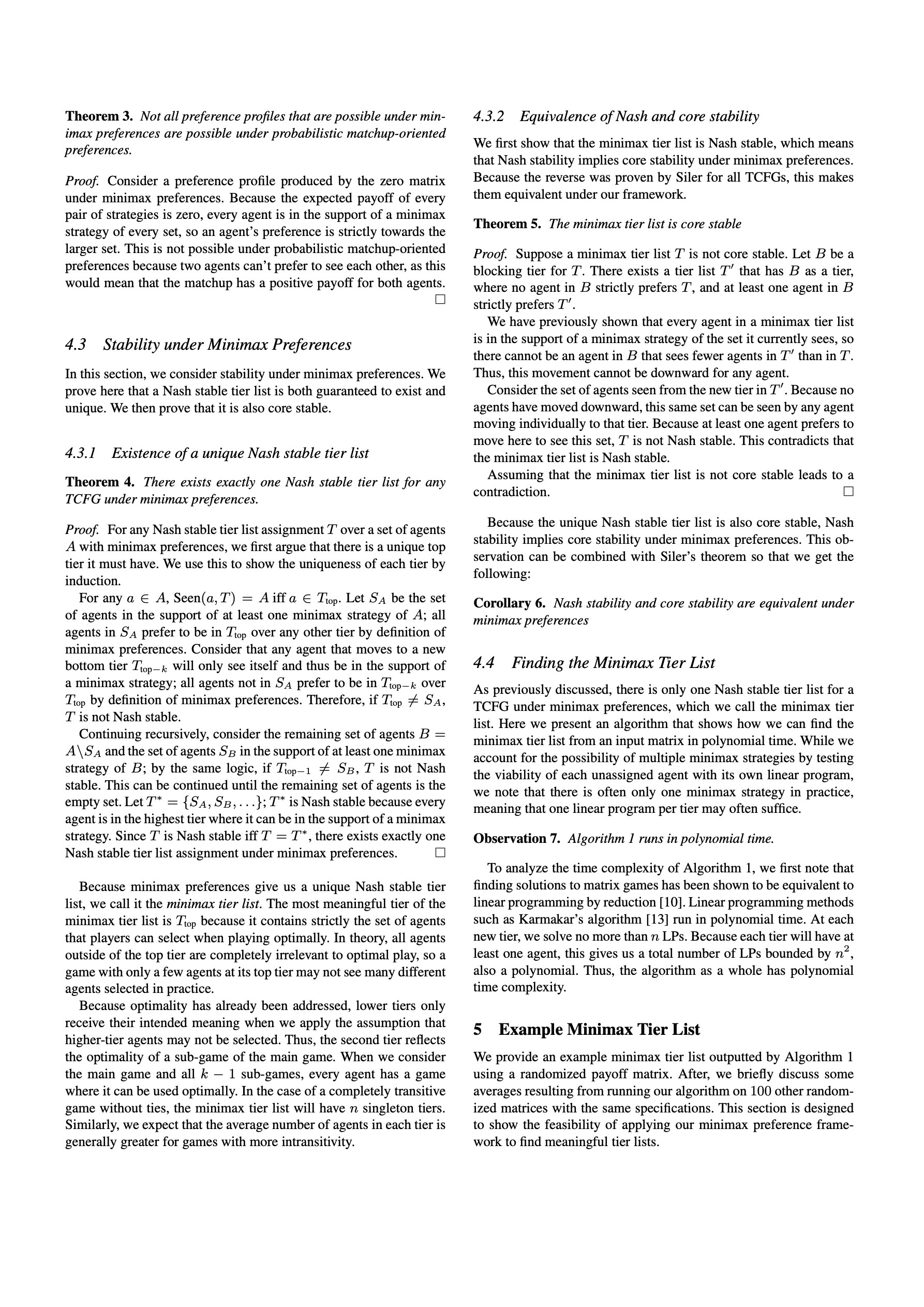
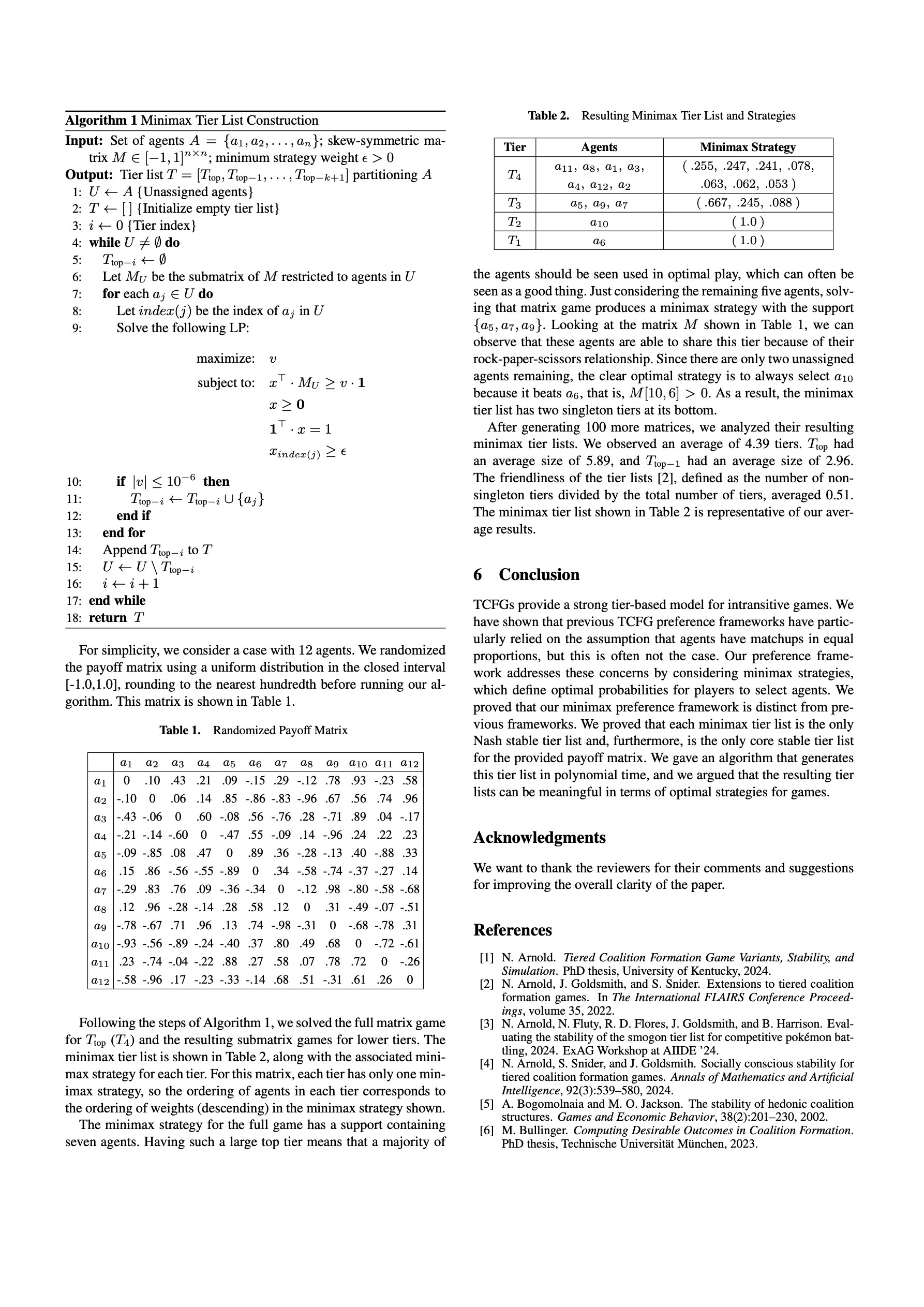
Regular Paper: Minimax Preferences for Tiered Coalition Formation Games
Nicholas Fluty, Judy Goldsmith, and Brent Harrison
20 minutes
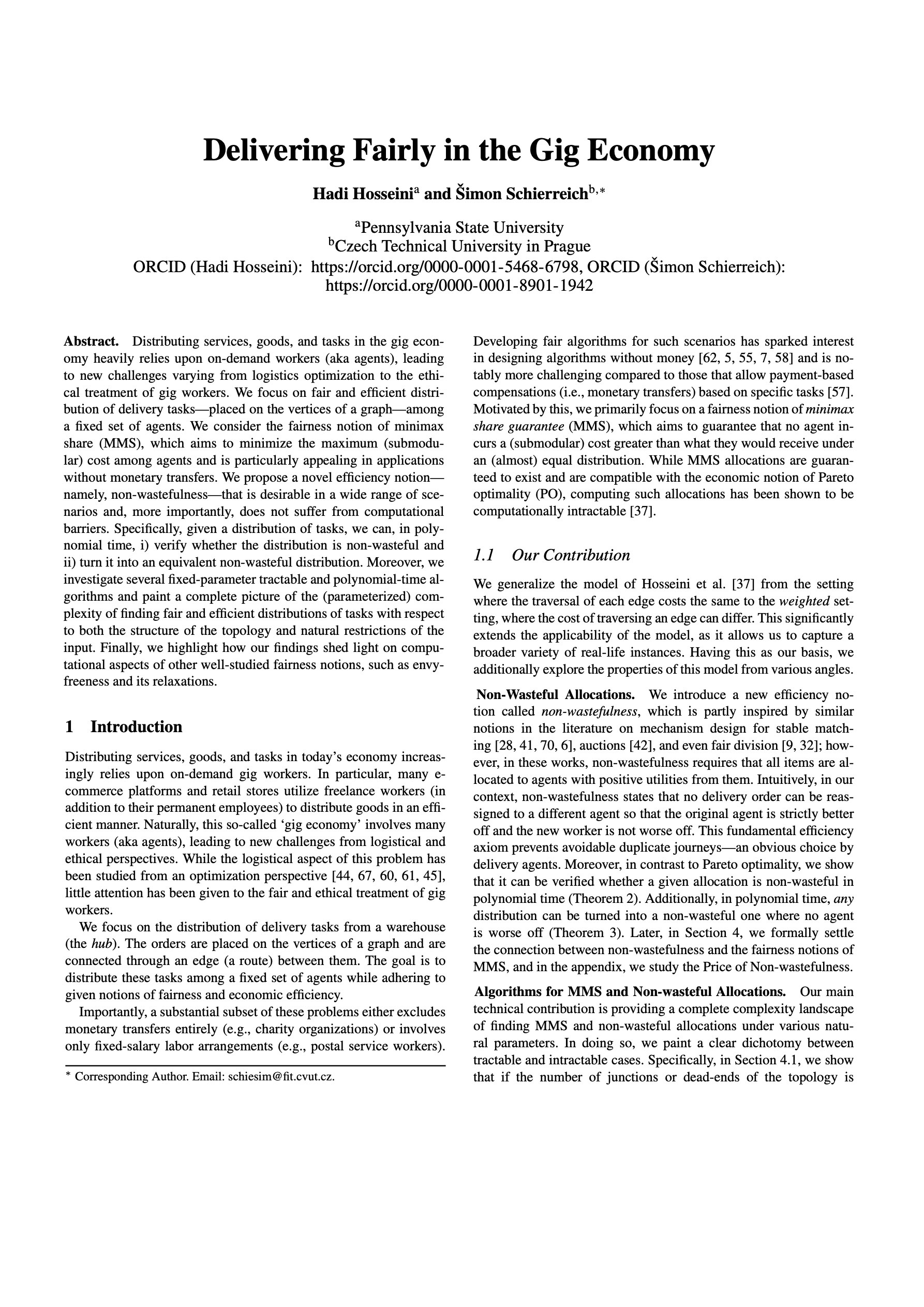
Regular Paper: Delivering Fairly in the Gig Economy
Hadi Hosseini, Šimon Schierreich
20 minutes
Published Paper: Finding Personalized Good-Enough Solutions to Unsatisfiable Stable Roommates Problems (TPLP 2025)
Müge Fidan, Esra Erdem
20 minutes
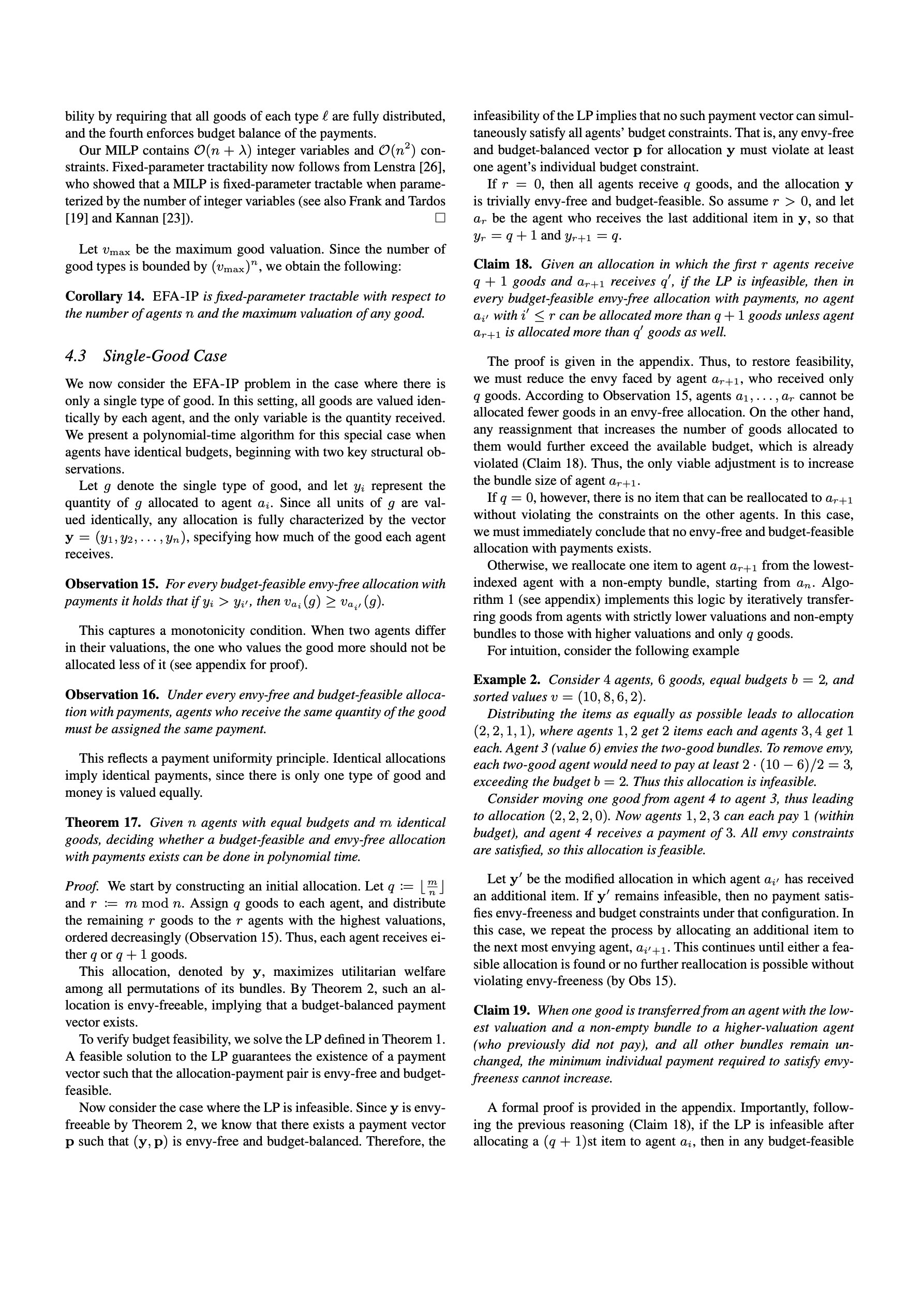
Regular Paper: Envy-free Allocations with Individual Payments
Eva Deltl, Pranjal Pandey, Robert Bredereck, Tanmay Inamdar, Pallavi Jain
20 minutes
Open Discussion: Future topics for preference handling
20 minutes
Closing Remarks (10 minutes)
M-PREF 2025
On the Nature of Axioms in Social Choice Theory
In social choice theory we routinely use axioms to rigorously specify normatively appealing properties of mechanisms for the aggregation of preferences. However, we rarely reflect on the nature of those axioms themselves. In this talk, I want to do so and ponder a number of fundamental questions regarding the definition and use of axioms in social choice theory. This includes the question of how to formally capture the meaning of an axiom, how to measure its logical strength, how to characterise the range of situations an axiom is talking about, and how to put order into the space of axioms by classifying them in terms of the dimensionality of the constraints they impose. This is joint work with Marie Schmidtlein.
Ulle Endriss is Professor of AI and Collective Decision Making at the University of Amsterdam, where he is based at the interdisciplinary Institute for Logic, Language and Computation (ILLC). Much of his research is concerned with the application of ideas originating in computer science to problems arising in economics and politics. He is recognised as one of the founders of the field of computational social choice.
Selecting Interlacing Committees
Polarization is a major concern for a well-functioning society. Often, mass polarization of a society is driven by polarizing political representation, even when the latter is easily preventable. The existing computational social choice methods for the task of committee selection are not designed to address this issue. We enrich the standard approach to committee selection by defining two quantitative measures that evaluate how well a given committee interconnects the voters. Maximizing these measures aims at avoiding polarizing committees. While the corresponding maximization problems are NP-complete in general, we obtain efficient algorithms for profiles in the voter-candidate interval domain. Moreover, we analyze the compatibility of our goals with other representation objectives, such as excellence, diversity, and proportionality. We identify trade-offs between approximation guarantees, and describe algorithms that achieve simultaneous constant-factor approximations.
Based on joint work with Chris Dong, Martin Bullinger, Tomasz Was and Lartry Birnbaum.
Edith Elkind is the Ginni Rometty Professor of Computer Science at Northwestern University. Professor Elkind earned her Ph.D. from Princeton University in 2005 and held academic positions across Europe and Asia, before joining Northwestern in 2024. She is interested in algorithmic aspects of collective decision-making, in particular, multiwinner voting, participatory budgeting, and coalition formation. She is a recipient of the ACM SIGAI Autonomous Agents Research Award (2023) and a EurAI Fellow. She served as a program chair of a number of leading conferences, including AAMAS, ACM EC, and IJCAI, and is an editor-in-chief of Journal of AI Research.